Windows feel smooth and normal when new, but after years issues appear like drafts, stiffness, and uneven room temperature.
Common Casement Window Material is not just an issue of installation; it often accompanies many home problems. Materials used in the frame can influence a window’s heat, cold, and moisture resistance, as well as its durability.
Differences in materials become quite apparent with time.Selecting the appropriate one, however, is not easy. Whether it’s conflicting advice or exaggerated sales pitches, the homeowner is usually left with conflicting opinions and marketing claims, making it hard to know which are relevant.
Let’s take a closer look at the most Common Casement Window Materials, their benefits, and drawbacks.
Quick Comparison of Common Casement Window Materials
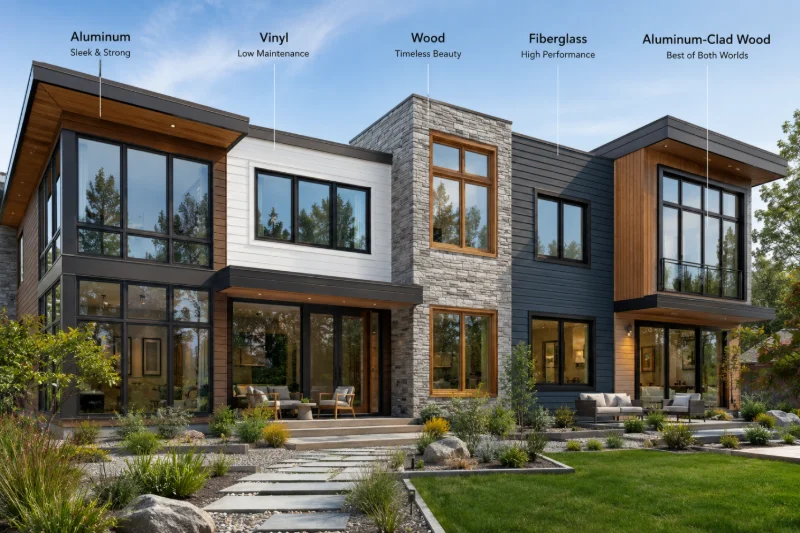
Before diving into details, it is useful to have a first look at the properties of each window material in real life. The table below provides a quick comparison to help you easily compare them side by side.
| Material | Thermal Insulation | Sound Insulation | Maintenance Level | Durability | Cost Range |
|---|---|---|---|---|---|
| Aluminum Casement Windows | Medium(high with thermal break) | Medium | Low | High | Mid to High |
| Vinyl Casement Windows | High | Medium | Very Low | Medium | Low to Mid |
| Aluminum-Clad Wood Casement Windows | High | High | Low | High | High |
| Fiberglass Casement Windows | Very High | High | Very Low | Very High | High |
| Wooden Casement Windows | High | High | High(needs upkeep) | Medium | High |
1. Aluminum
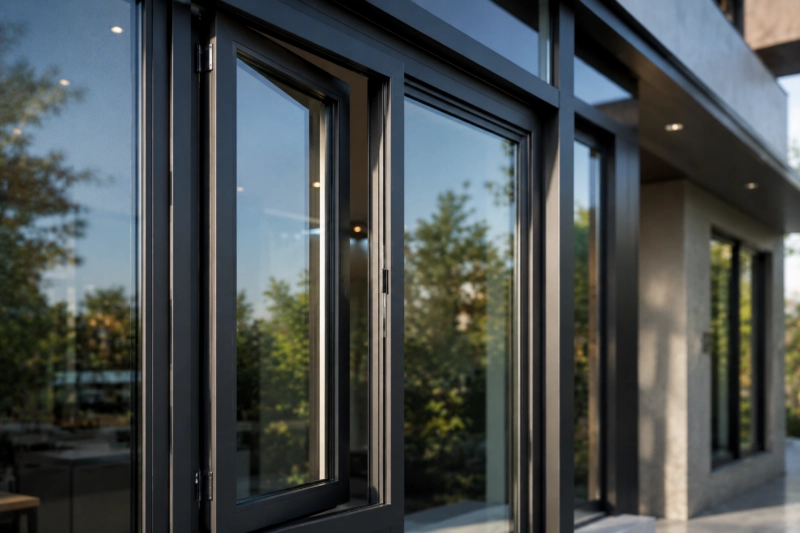
Aluminium is a light yet sturdy metal, widely used in cutting-edge window frameworks. This is dug from bauxite ore and created into extruded window frames with high structural performance. Aluminium is also used in a variety of window types, such as Aluminium casement windows, which are fitted with an insulating layer between the outer and inner sashes to minimise heat loss and improve energy efficiency.
Advantages
- Excellent structural performance for large glass areas.
- Resilient to harsh environments with long-lasting performance.
- Low maintenance requirements
- Design flexibility and modern aesthetics
Limitations
- Basic models have a higher heat conductivity.
- Average insulation rating vs high-end insulation.
Cost and Value Perspective
Aluminium Casement Windows generally come at a medium to high price tag. The initial cost of aluminium casement windows is generally between $75 and $400 per window, depending on the window design, type of glass used and the thermal break system employed. Higher premium thermally broken systems can be achieved by using better insulation.
Aluminium does not corrode, does not require painting or sealing and is economical in the long run.
The other alternative we can propose is SUMMIT aluminium casement windows that have better glazing systems, better U-values, NFRC, CSA, Energy Star, and CE ratings to improve energy efficiency and performance over time.
2. Vinyl
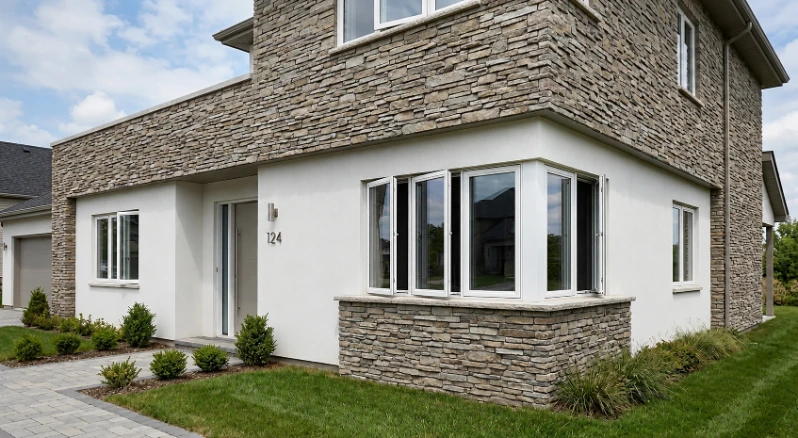
Polyvinyl chloride (PVC), a strong plastic material, is the primary element of the vinyl windows, and it is employed in hollow frames. Internal air chambers are also commonly present in the frames and add to the insulation, reducing the heat transfer. Vinyl Casement Windows are popular in homes due to their multi-chamber construction, which is particularly beneficial for energy-efficient, affordable homes.
Advantages
- Multi-chamber frame design for good insulation.
- Low maintenance (paintings and sealing may not be necessary)
- The cost-effectiveness of a home project depends on its scale and type.
- Sealed to resist moisture and corrosion. Water and corrosion repellent.
Limitations
- Low structural strength for very large openings.
- It can expand or contract slightly in extreme temperatures.
Cost and Value Perspective
The price of vinyl casement windows installed is usually $100 – $900 per window, depending on the quality and type of windows. Low-quality insulated vinyl siding systems are less expensive; high-quality systems are more expensive.
Vinyl has very low maintenance costs because it doesn’t need to be repainted or protected from corrosion; over its life cycle, it is one of the most economical choices.
SUMMIT quality vinyl casement windows are also recommended, particularly for tropical or coastal climates such as Miami, Vancouver, or even the tropical Pacific.
3. Aluminium-Clad Wood
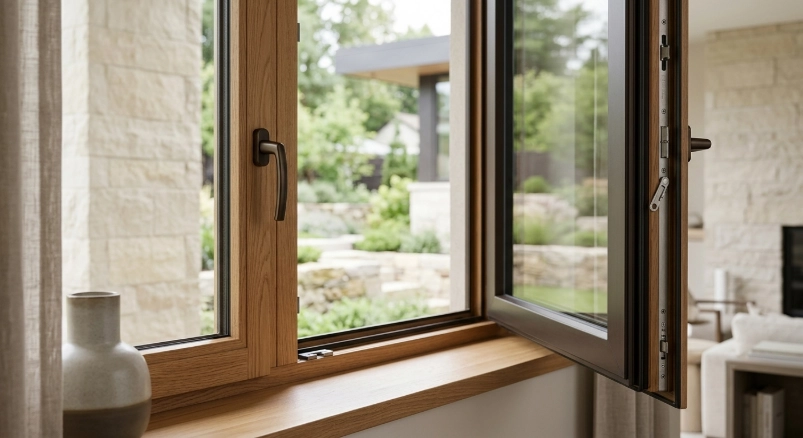
Aluminium-Clad Wood Casement Windows are made of two elements: an inner frame made of wood and an outer frame made of aluminium. The wood provides a better look on the inside and also keeps the inside warm and insulated, and the aluminium keeps the outside away from weather conditions such as heat, UV rays and rain. This combination design offers a balance between beauty and wear.
Advantages
- Natural wood interior with premium aesthetic appeal
- Excellent weather resistance from the aluminium outside
- Excellent insulation of the wood core
- Low maintenance from outside sources.
Limitations
- Expensive initial cost
- Interior wood still requires periodic maintenance.
Cost and Value Perspective
The Aluminum-Clad Wood Casement Windows are a high-end cost product, not only to buy but also to install. Aluminium-Clad Wood Casement Windows with an average cost of $150-$1,300 per window installed, can vary according to the type of wood used, design and quality of glass.
The exterior is made of aluminium, making the maintenance costs moderate and limiting the impact of the weather and the necessity to refinish the interior wood every now and then.
4. Fiberglass
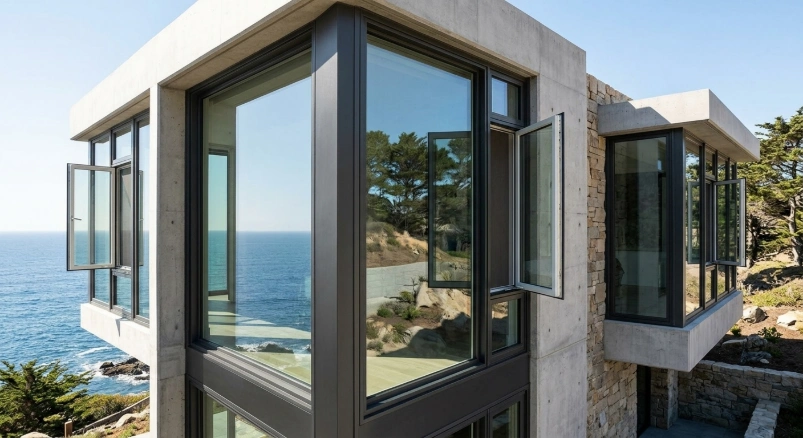
Fiberglass casement windows are made with tiny glass fibers that are incorporated into a resinous structure, creating a light, strong and stable composite window. This allows fiberglass to be very dimensionally stable (it does not change in size much) even under severe conditions, such as extreme temperatures, cold, or humidity. This has made fiberglass a highly sought-after window material in high-performance and energy-saving window systems.
Advantages
- Very stable from warping and shrinking.
- Exceptional energy efficiency
- Strong structural durability
- Requires low maintenance
Limitations
- Expensive initial cost
- Few design and colour choices are available.
Cost and Value Perspective
Fiberglass Casement Windows are high-cost windows, but can be very valuable over the years because of their durability and minimal maintenance requirements. The typical price of Fiberglass Casement Windows is around $2400+ per window in full replacement applications and depends on the brand and specifications.
Low maintenance cost, as fiberglass is highly resistant to deformation and requires minimal maintenance.
5. Wood
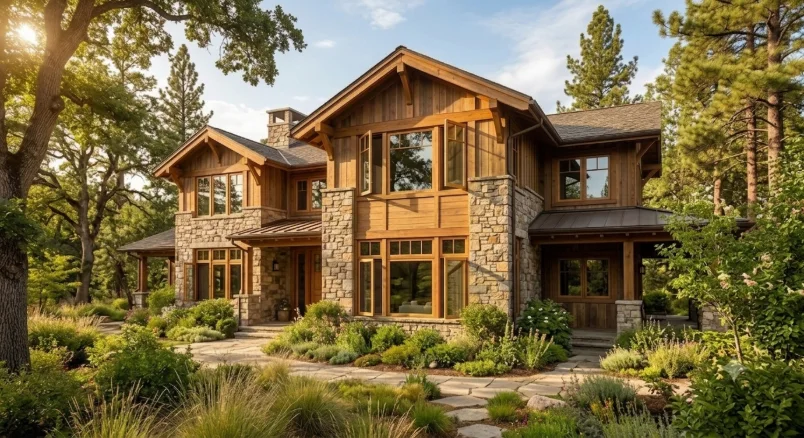
Wooden Casement Windows are available in many materials such as pine, oak, mahogany and other natural wood products and are frequently treated and engineered to constitute stable frame structures. Wood is a natural insulator and has been used in the manufacture of windows for many centuries, especially in houses where appearances and warmth are of importance. One of the reasons why it is frequently appreciated is its traditional design and the great comfort in the interior.
Advantages
- Excellent natural insulation
- Premium aesthetic appeal
- Good sound reduction
- Premium customization options
Limitations
- Needs maintenance (Painting/Sealing)
- Moisture and pest sensitive
Cost and Value Perspective
The average price for wood casement windows is $150–$1,300 per window, depending on the type of wood and the finish quality.
Increased lifecycle cost, including long-term maintenance that involves sealing, painting, and protection.
How to Choose the Right Material Based on Your Needs
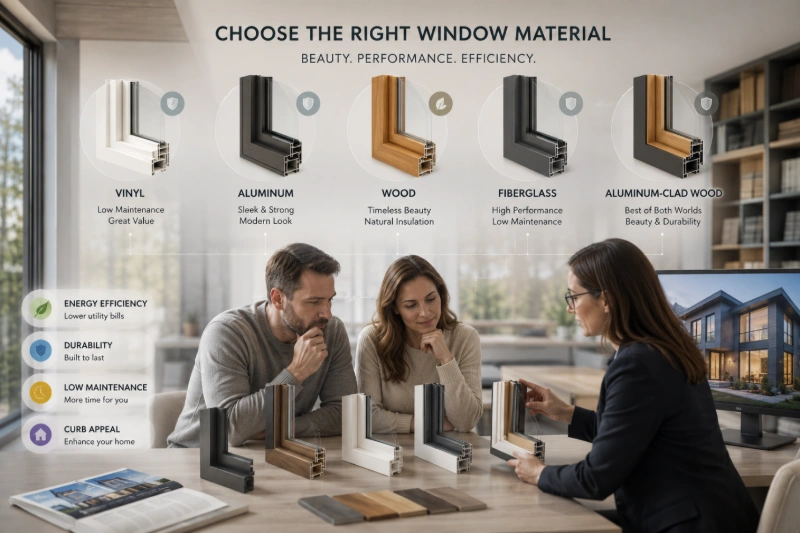
Once you know the strengths and limitations of Common Casement Window Materials, the next thing is to make a choice as per your needs.
1. Cost
Different materials offer different value and performance-cost trade-offs.
When low initial cost is the priority, vinyl windows are typically the most cost-effective. They have fair insulating properties and are reasonably priced; they are suitable for most ordinary houses where cost control is important.
Some people prefer Aluminium windows or Wood windows for a combination of performance and durability. Wood is a more traditional but higher-maintenance solution, whereas aluminium is more modern and low-maintenance, with less insulation.
Fiberglass or aluminium-clad wood will be the best option in the long-term performance, where there are no limitations to the budget. They are very durable, efficient in energy and have a long life span, which makes them the best choice in quality homes.
However, most homeowners usually look at the initial cost and overlook the maintenance costs, something that can greatly impact the ownership cost in the long run.
2. Aesthetic Style
The selection of Common Casement Window Materials goes beyond just their functionality; it also reflects the overall design and style of your home.
Aluminium can be a more assertive option for modern and minimalistic houses due to its clean edges and design. Nevertheless, classic or traditional designs would best suit wood or aluminium-clad wood as they are cosy and naturalistic. Vinyl is everywhere in the common home design that appreciates simplicity and functionality, and fibreglass can be applied in the modern and luxurious design styles due to its clean finish and durability.
Common mistakes are showroom samples instead of relying on real installation performance, or trend instead of appropriateness. This usually leads to low aesthetics and performance problems.
SUMMIT can provide a range of materials, types of glasses and great accessories to allow homeowners to choose windows according to their design and efficiency needs.
3. Environmental Conditions
Window materials are not alike in all environments. The climate is one of the most important factors in determining the most appropriate material.
Vinyl, wood and fiberglass are used in cold climates like the north, where they are highly insulated and have low heat loss.
Aluminium is widely employed in hot and sunny climates as the thermal-break technology with high-performance glass systems to regulate the incoming heat and achieve structural stability.
Vinyl and fiberglass can also be used in the wet and seaside areas since they do not swell or become moist and corroded.
Fiberglass is usually selected in mixed or variable climates since it is not prone to the risks of expansion/contraction.
It is also important to consider the glass configuration (double or triple glazing, Low-E coatings) regardless of location, as it significantly affects overall comfort and energy efficiency.
FAQs
The choice of material will be based on your budget, climate and maintenance needs. Vinyl suits the budget-conscious, aluminium meets the modern requirement for durability, and fiberglass or aluminium-clad wood is for performance and energy efficiency.
No one material is the perfect fit for all homes. In most climates, fiberglass has the best overall properties of durability and insulation, whereas vinyl is inexpensive, and aluminium is contemporary and strong.
Aluminium is stronger and better suited to large glass designs, while vinyl offers greater insulation and is cheaper. It's up to you whether you're looking for strength or energy efficiency.
Fiberglass and aluminium-clad wood are resistant to warping, moisture, and temperature changes, making them long-lasting.
Vinyl is typically the most affordable option due to its low up-front cost and minimal long-term maintenance requirements, making it ideal for those on a budget.
You can ask window specialists for advice, check out the different window options and configurations available from SUMMIT, and find the right window for your home design and climate.
Conclusion
You do not want to use a single “best” window material; rather, you want to select a Common Casement Window Material that fits your needs. Vinyl is ideal for those on a budget; aluminium is great for those who want a contemporary design and longevity; and fiberglass and aluminium-clad wood offer the best long-term efficiency and stability.
A basic decision-making process is: Budget first, consider your climate, then select the material based on your home style and maintenance preference. This way, you can eliminate the unsuitable choices in a flash and won’t get confused later when comparing.
If you need custom solutions, there are professionals at SUMMIT who can help you determine the appropriate mix of materials, glass and performance that will suit your home.