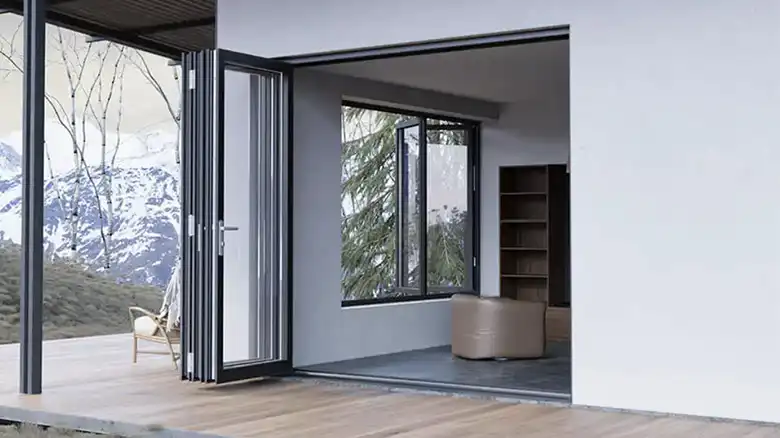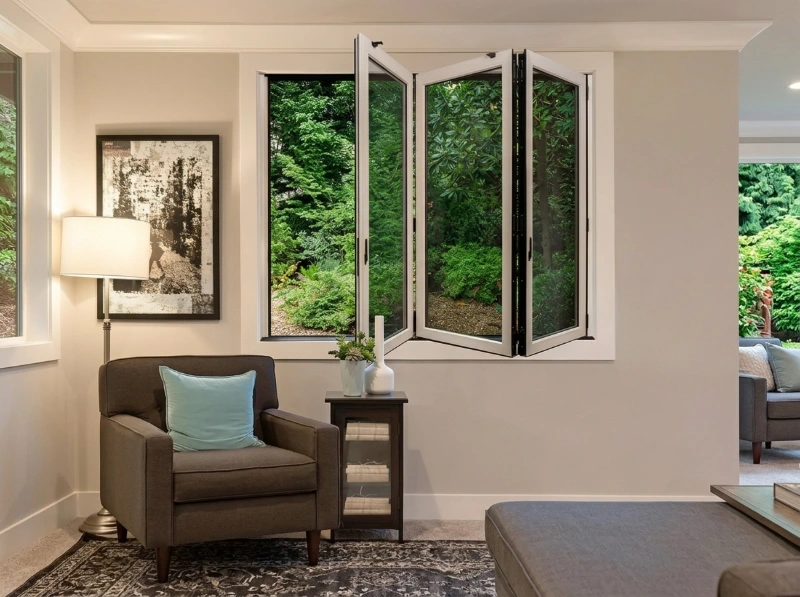
Some homeowners pick standard-size windows and have them installed within days. Others wait weeks for custom units and pay a noticeably higher bill. When you have to choose between two options, you might wonder if custom windows are really worth it or if you’re better off with standard windows.
The solution makes a difference to more than your budget. It influences the complexity of the window installation, the weather sealing, energy usage, how attractive the building will be to passersby, and how much maintenance it will demand during its lifetime.
In California, where coastal salt air, inland heat, and dramatic differences in temperature between day and night can vary from region to region, the size and climate of your home may be a deciding factor in how your windows perform for years.
This guide gives an overview of the different sizes, prices, installation, and efficiency of custom windows vs standard windows, which you can follow to select the best option for your home. For a closer look at what’s available locally, SUMMIT supplies both standard and custom window solutions throughout California.
What Are Custom Windows and Standard Windows?
Standard Windows
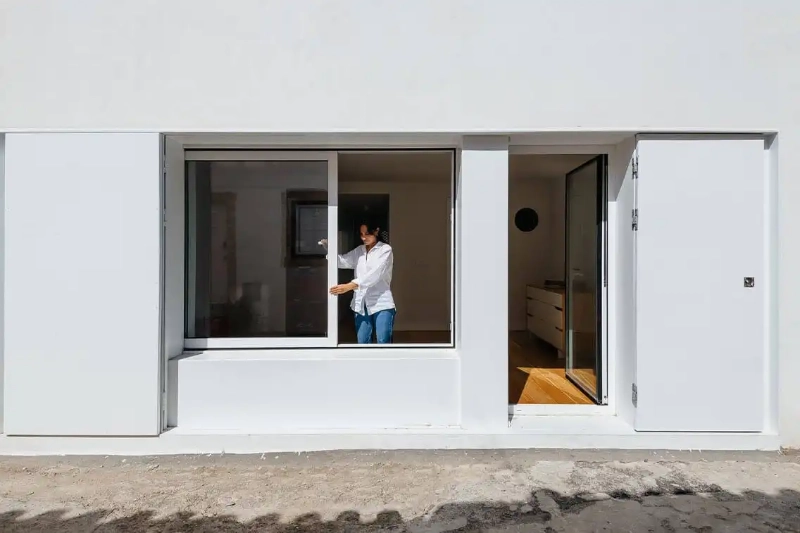
Standard windows are pre-manufactured windows to standard dimensions that will fit into standard framed openings. They usually sell at a discount and deliver sooner since they are being manufactured in advance.
Flexibility is the compromise: If the opening isn’t the right stock size, installers may need to adjust the frame or wall, which can add to the labour and can be a compromise on the seal.
Custom Windows
Custom windows are made specifically to the dimensions and details of an individual project. They are suitable for designs not conforming to standard dimensions, special architectural features, or for special performance. It is also a more accurate solution, but it is a handmade product and therefore more time-consuming and costly.
The term “custom” is not equivalent to “high end,” and the term “standard” is not synonymous with “low quality.” The real difference is whether a window is engineered to match a specific opening and use case, not how well it’s built.
A standard window installed in the right opening can outperform a poorly fitted custom one. Suppliers like SUMMIT offer both in-stock and custom-built product lines specifically because homes have different needs, not because one line is a downgrade from the other.
| Factor | Standard Windows | Custom Windows |
|---|---|---|
| Sizing | Fixed, common dimensions | Built to exact measurements |
| Lead Time | Days to a couple of weeks | Several weeks or more |
| Customization | Limited options | Wide range of shapes, glass, frames |
| Best For | Standard openings, new builds | Unusual openings, renovations |
| Budget | Generally lower | Generally higher |
When Are Standard Windows the Better Value?
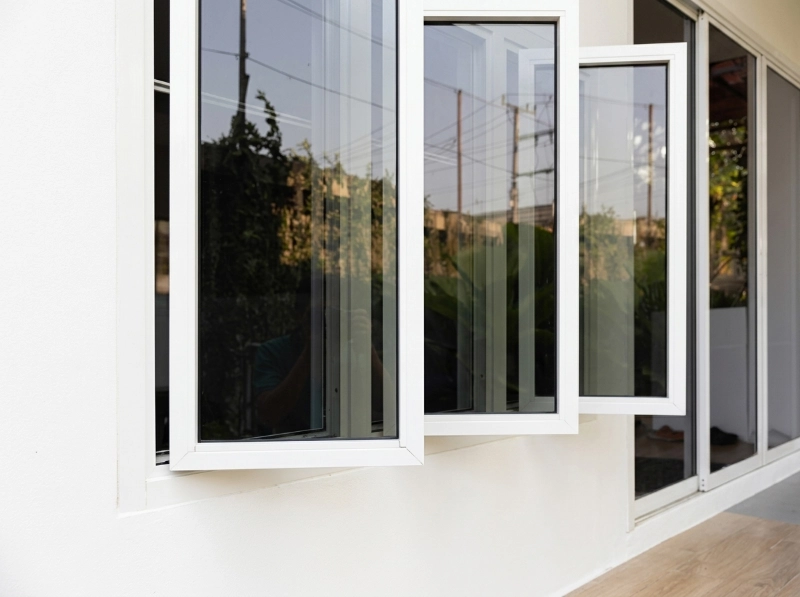
Standard windows are most appropriate if your openings are already standard sizes. Many developer-built homes and new construction designs are designed around the standard rough opening from the start, and stock windows fit in with little adjustment and less turnaround.
The same logic applies to smaller replacement jobs. If you’re swapping out one or two damaged windows and the existing frames match typical sizes, standard units are usually the more economical route.
You avoid the manufacturing wait, and window installation stays straightforward because the crew isn’t reworking the opening to fit a nonstandard unit. In-stock lines like SUMMIT’s sliding windows and single-hung windows are common choices for exactly this kind of straightforward swap.
That said, this advantage only holds when the opening truly fits. If the wall needs modification, or gaps around the frame need to be packed and sealed, window installation costs can climb quickly, and both weather sealing and energy efficiency may suffer as a result.
A slightly cheaper window that leaks air around the edges is not actually the cheaper option once you factor in higher utility bills and possible water intrusion.
Takeaway: Do not compare the cost of the window itself. Compare the whole installation cost (including framing) and consider the long-term performance of the finished installation. For straightforward, standard-size openings, that comparison usually favors the standard route.
When Should You Choose Custom Windows?
Custom windows generally mean a higher budget and a longer wait, but for the right project, they reduce installation problems and improve performance for years afterward. They earn their cost back through fit, not luxury.
Older homes are a common case. Openings shift and get modified over decades of settling, prior renovations, or patch repairs, and they often no longer match any modern standard size. Custom units are built to match what’s actually there, cutting down on-site adjustments and improving both installation accuracy and weather sealing.
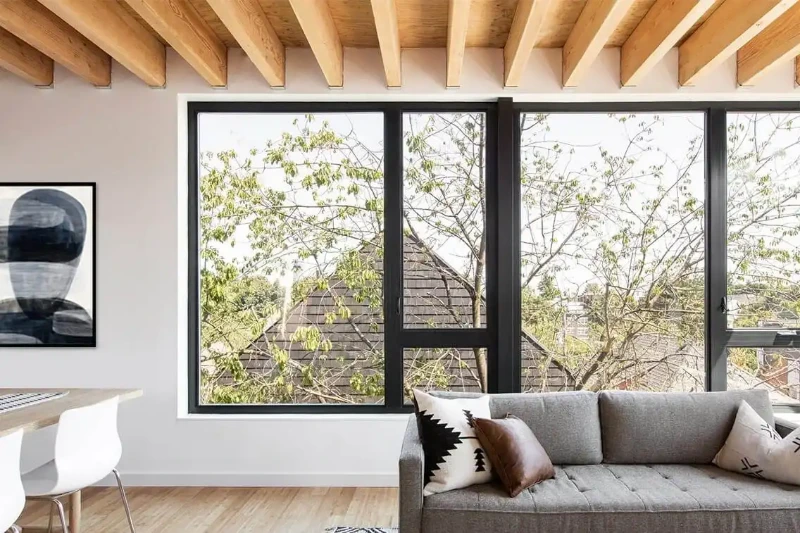
Homes with oversized windows, arched openings, corner windows, or other architecturally distinct features are another clear fit. Standard sizing simply can’t serve these shapes, and forcing a stock window into an irregular opening usually compromises both looks and function.
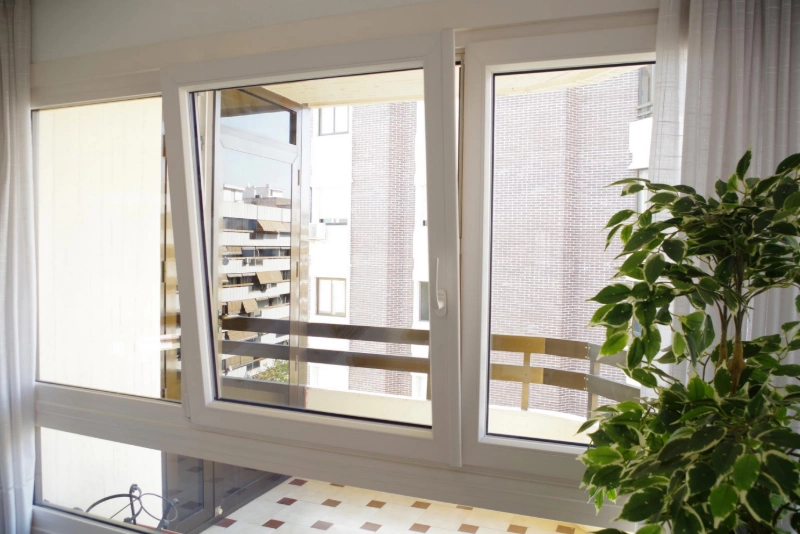
Casement windows, bifold windows, and tilt-and-turn windows are often made to fit such nontraditional openings while maintaining ventilation and sightlines. But custom is not necessarily a replacement for all features for the highest possible quality.
Whether you are considering an older home with non-leveling openings or simply one that requires a different dimension, it requires making the right choices for the type of glass and frame system.
How to Decide Which One Is Right for You
There is no best or worst in this either. The selection depends on the product’s suitability, budget, and requirements of the household.
There are several questions you can ask to help narrow it down quickly:
Are your window openings standard sizes, with no wall modification required? Standard windows are likely your most cost-effective choice.
Are the openings irregular or previously altered? Custom windows probably make more sense.
Need to replace a window or replace all windows?
Would you prefer to pay less initially or receive the greatest value for your money?
Have any special design or performance requirements?
Have window openings professionally measured before ordering. The real determining factors between standard and custom are accuracy of measurement; the most common reason for installation problems and unplanned costs is not taking the measurements.
SUMMIT window options include standard windows and custom window configurations and window styles such as sliding, casement, and bifold windows in a variety of sizes. Customers can also choose from various glass and frame options including Low-E glass, insulated glass, and thermal break aluminum systems to ensure maximum energy efficiency and comfort.
From confirmation of measurements through to final installation, the SUMMIT team can manage the process end-to-end to reduce the risk of selection and provide high-level measurement quality control and after-sales support. You can contact SUMMIT directly to have your openings assessed and get a personalized recommendation.
Conclusion
The factors that can be used to determine the difference between custom windows and standard windows include the opening size, the design and age of the home, the budget for a renovation, the energy efficiency needs, and how long you will be staying in your home. Take into account the total cost of the installation (not just the cost of the window).
Before buying, have your openings professionally measured and choose a configuration that is appropriate for your local climate and your home’s particular situation. This one step can save you from most headaches and performance pitfalls in the installation process.
If you still have questions regarding your choices, SUMMIT’s team can compare custom and standard solutions based upon the precise specifications of your home and the solutions you are looking for. Request a free quote today that offers a recommendation and not a generic estimate.
FAQs
Overall, replacing all windows in one project is typically less expensive. When contractors work on more than one opening simultaneously, they may be able to lower the costs for each opening, which includes both labor and materials costs. If money is limited, make sure to address the windows with the greatest energy loss or damage first.
Not necessarily. A window's performance is more about fit and installation than custom or standard. Installation quality is important; a standard window can be superior to a poorly installed custom window.
The lead time will vary according to manufacturer and the complexity of the product, but custom orders will usually take a few more weeks. Consider renovation schedules and consult your supplier before committing to a schedule.
Yes. Many homes use standard windows where openings are conventional and custom windows only where openings are irregular. This approach can control costs while still addressing problem areas that stock sizes can't handle.
If a window is required due to an issue, such as the window opening being too small, then a custom window can help enhance the value of the home if it's on the market. They do not provide much value when not being used for a functional purpose.
Labor cost and possibly weather sealing may be increased as the installer will need to adjust the wall and/or fill the space behind the frame. This will cause loss of energy efficiency and moisture over time if gaps are not sealed properly.
Only a professional measurement can be relied upon. A professional installer will be able to determine if your openings are standard or if a special solution is required, thus eliminating potential guesswork when ordering.
Yes. SUMMIT offers a variety of windows, including sliding, casement, bifold, and energy-efficient options. Contact their team to discuss your openings and to get the most appropriate quote. Open the SUMMIT FAQ page to see more answers.