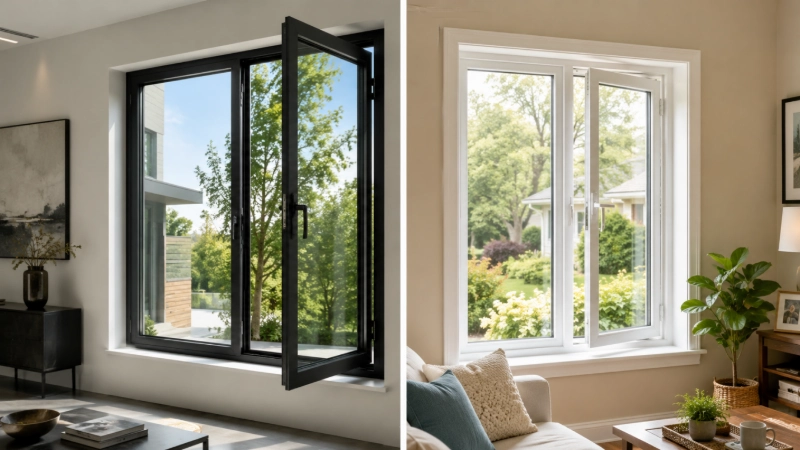
If you are replacing old windows, it is more likely that you have heard two names: aluminum vs vinyl windows. Both are popular. Both can look good. However, they perform differently once installed in your home.
The difference is more significant than most homeowners may think. A window frame may influence the level of comfort inside, your energy bills, the level of noise outside, maintenance, and the lifespan of your windows.
As an example, there can be some best windows for home that can assist in keeping rooms warmer during winter and cooler during summer. Others may have stronger frames, slimmer designs, and support larger glass areas.
But which is the best for your home? Will you use vinyl windows as an insulation material and for their value, or use aluminum windows for their strength and modern look? This guide provides a simple comparison of the two alternatives to help you make a better selection.
Differences Between Aluminum Windows and Vinyl Windows
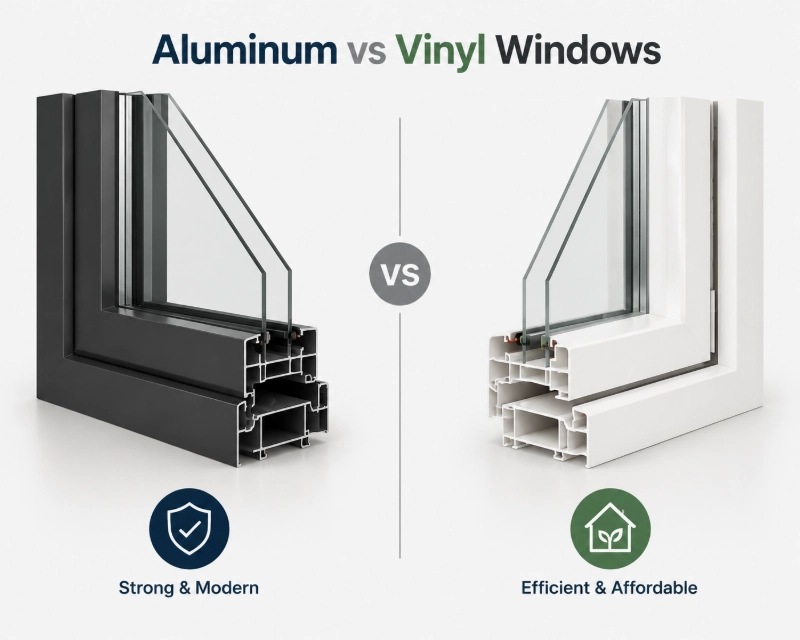
Aluminum vs vinyl windows may look similar from a distance. However, window frame materials are very different. This is why every alternative is appropriate to various houses, weather, finances, and design aspirations.
Aluminum Windows
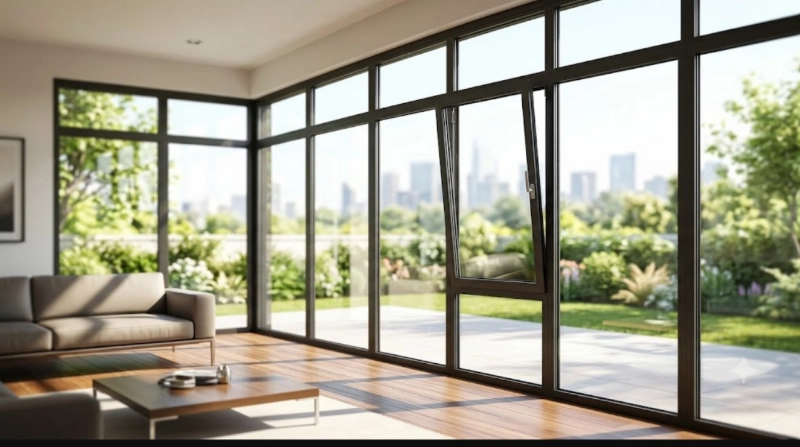
Aluminum windows are known for their strength. The frames are narrow, rigid, and stable, which makes them suitable for large windows, contemporary houses, and wide glassy spaces.
Many homeowners choose aluminum windows because they have a clean, modern look. Its design is a narrow frame, which enables the use of more glass and more natural light. This makes them popular in modern homes, offices, and commercial buildings.
Aluminum is also good in areas where structure is a concern. Aluminum windows can be used where the home has wide openings, can be well ventilated, or is a modern architectural design.
Nevertheless, regular aluminum is better at transferring heat than vinyl. This can influence the comfort indoors in extremely cold or hot weather. This is the reason why most homeowners would prefer insulated aluminum windows or thermally broken aluminum windows, as they would perform better in terms of energy efficiency.
Vinyl Windows
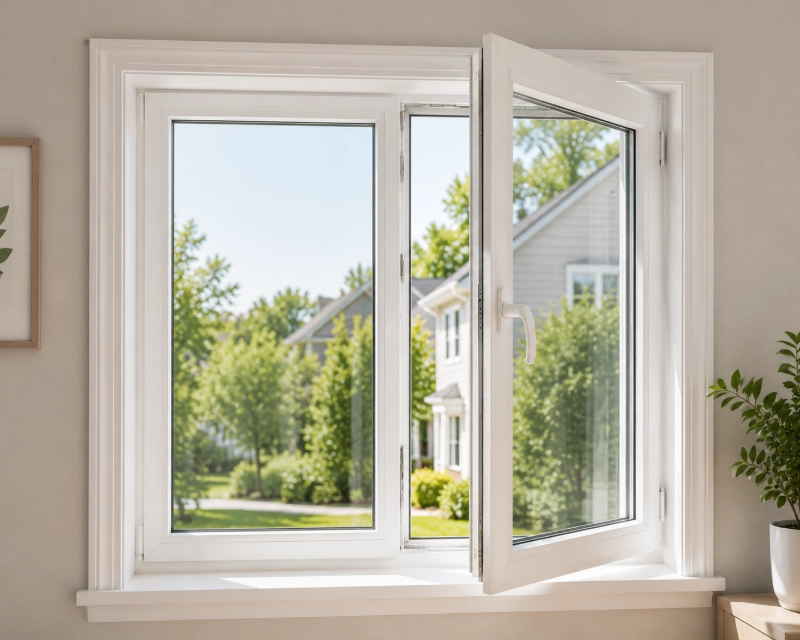
uPVC is used to make vinyl windows. They are well-liked due to their low cost, low maintenance, and insulation quality. They provide an easy and economical window solution for many typical houses.
Energy efficiency is one of the key advantages of vinyl windows. Vinyl does not conduct heat as quickly as metal and therefore could be used to minimize heat loss during winter and heat gain in summer.
Vinyl windows are also low maintenance. They do not require any painting, and they do not rust or corrode. This renders them handy to house owners who desire dependable windows that do not require a lot of maintenance.
Nevertheless, the vinyl frames are normally thicker than the aluminum frames. Their appearance might not be as slim and modern. Very large areas of glass or high structural requirements can be better supported using aluminum windows.
Comprehensive Comparison
The answer to the question of aluminum vs vinyl windows is not always the same, one-size-fits-all. It is possible to conserve additional energy. The other might be providing greater strength. You can quickly and clearly see the key differences in the table below.
| Factor | Aluminum Windows | Vinyl Windows |
|---|---|---|
| Energy Efficiency | Standard aluminum loses heat faster. Insulated aluminum performs better. | Usually better for energy savings. |
| Thermal Insulation | Good with thermal break technology. | Strong insulation for daily comfort. |
| Structural Strength | Strong, rigid, and stable. | Durable windows, but not as strong as aluminum. |
| Sound Insulation | Good with quality glass and sealing. | Good because the frame is thicker. |
| Appearance | Slim, modern, and clean. | Thicker and more traditional. |
| Design Options | Better for large glass areas. | Better for standard home windows. |
| Lifespan | Long-lasting with proper coating. | Reliable, but quality matters. |
| Maintenance | Low maintenance windows; Needs care near salt air. | Very easy to maintain. No rust. |
| Overall Value | Best for strength and modern design. | Best for insulation and budget control. |
Vinyl windows are usually a good choice for being comfortable, insulated, and cheaper. What is usually desired is aluminum windows where strength, slim frames, and a greater amount of glass are of greater importance.
Energy Efficiency and Thermal Insulation
Windows do more than let in light. Inadequate insulation may cause a room to be cold during winter and too hot during summer. This makes your heating or cooling system work harder, increasing your monthly energy bills.
This is what you will observe about old windows. The room is cool. The glass is chilled. Air leaks around the frame. In the long run, such minor issues may turn out to be costly.
The vinyl windows tend to be energy-efficient windows. Vinyl has a slower rate of transferring heat in comparison to metal. This assists in maintaining a more comfortable temperature indoors.
The aluminum windows are robust and modern, whereas normal aluminum has the ability to conduct heat more quickly. That implies that outside weather can have a greater influence on the indoors.
Much of this problem is, however, solved by high-quality thermally broken aluminum windows. The thermal break is used to minimize the heat transfer and maintain a slim frame and a robust structure, which is typical of aluminum.
Vinyl windows can be an intelligent option for homeowners who are concerned about insulation and price. For homeowners who want strength, large glass areas, and a modern look, insulated aluminum windows can be powerful as well.
ENERGY STAR certified windows are also a good option. These products are up to known energy performance standards. SUMMIT sells ENERGY STAR certified vinyl windows and thermally broken aluminum windows, which are more comfortable and efficient in the long term.
Structural Strength and Durability
Windows face pressure every day. The frame can be influenced by strong winds, heavy amounts of rain, repeated opening, and changes in temperature. In case of a weak material, the window might be bent, loose, or lose its tight fit.
Windows made of aluminum are reputed to be strong. The frame is stiff, stable, and powerful even in thin profiles. This renders aluminum a good alternative to large windows, broad glass panels, as well as houses where the structural support is a concern.
Vinyl windows are also durable enough for everyday home use. They do not rust or corrode and require minimal maintenance. They too work in most of the humid climates, as the vinyl is not affected by moisture.
Nevertheless, vinyl tends to be less stiff than aluminum. This might not be the most suitable option when dealing with huge openings or locations whose weather conditions are extreme.
Aluminum can be more suitable if you desire bigger windows or more support for the frame. Vinyl windows can be a viable solution when you need to ensure that your home will be easily maintained, well insulated, and able to perform its daily duties.
Price and Maintenance Costs
The lowest priced window may not necessarily be the most ideal. Homeowners ought to consider energy bills, repairs, maintenance, and life cycle as well. A purchase price that is low might not save money, as the window does not work very well in the future.
Aluminum vs vinyl window cost is not only concerned with the price of purchase. Maintenance and value over the years are also important.
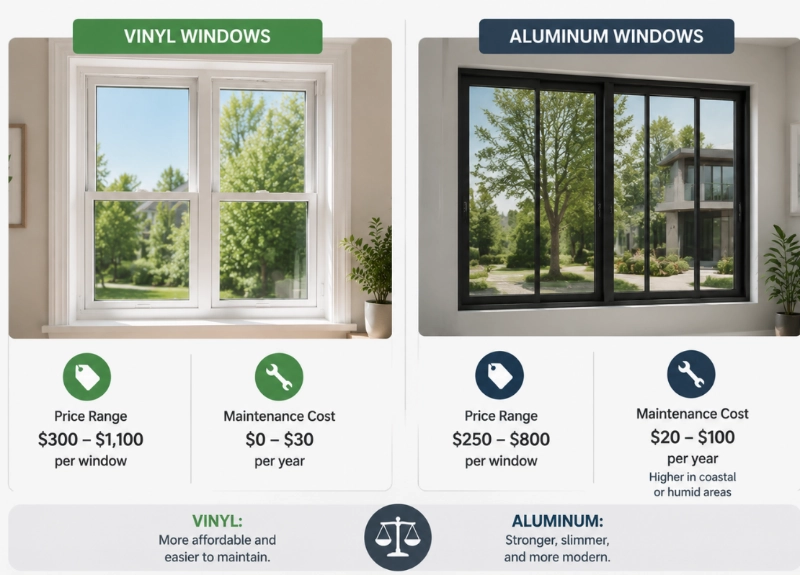
The approximate prices of vinyl windows are $300-$1,100 per window. They are low in cost and maintenance costs about $0 to $30 per year.
The typical price of aluminum windows is $250-$800 per window. Certain climates have an increased maintenance cost, with an average cost of around $20-$100/year, particularly in the coastal or humid regions.
Vinyl is more likely to be cheaper and simpler to maintain. Aluminum is more suitable due to its strength, slimness, and modernity.
How Should You Choose Based on Your Region?
Cold Climates
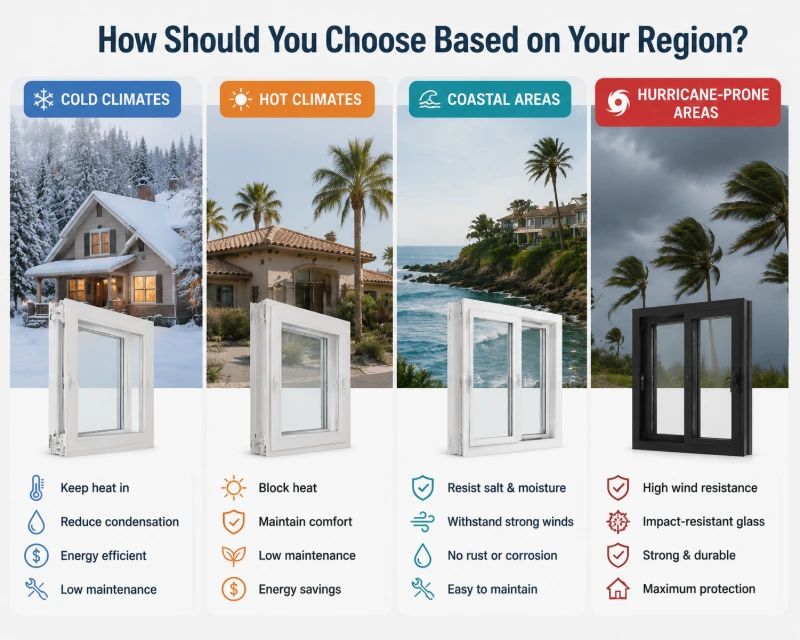
Cold climates such as Minnesota, Wisconsin, and Michigan are usually characterized by long winters and heating requirements. Warm air is leaking out of the rooms through windows, which are not well insulated, so the rooms are very cold. Problems such as drafts and condensation may also be experienced.
Cold climates normally prefer the use of vinyl windows. They retard heat loss and contribute to keeping the indoor environment warmer. They are also low-cost and maintainable.
Normal aluminum windows are more efficient at conducting heat. Nevertheless, thermally broken aluminum windows are much more effective. They minimize heat transfer and maintain the strength and the slender appearance of aluminum.
SUMMIT provides vinyl windows as well as thermally broken aluminum windows that offer better insulation, improved comfort, and resistance to condensation.
Hot Climates
Warmer regions such as Arizona and Texas require windows that regulate the amount of heat they receive. When windows are ineffective, the rooms adjacent to the glass are hot, and the air conditioners work harder.
Vinyl windows may be a good idea in hot climates since they do not heat up quickly and require minimal maintenance.
Aluminum windows can also be utilized where homeowners desire slim frames, strength, and a contemporary appearance. Thermally broken aluminum is preferable for comfort.
Glass matters too. Solar heat gain can be minimized with Low-E glass, insulated glass units, and a low SHGC.
SUMMIT provides a variety of frame materials and glass choices to suit the local climate, comfort requirements, and cost.
Coastal Areas
Houses situated on the coastlines are challenged by the bad weather. Such areas as Florida, California, and South Carolina have to contend with salt spray, intense moisture, heavy winds, and seasonal storms.
These circumstances may cause more rapid wearing of windows. Salt can damage hardware and metal, moisture can destroy wet seals, and wind can test the strength of the frame.
The coastal homes can be well-suited to vinyl windows. They do not rust, resist moisture, and require minimal maintenance. This renders them handy to homeowners who desire a no-fuss, low-maintenance option.
You can also use aluminum windows in areas close to the coast if you ensure proper finishing. The anodized aluminum with powder-coating helps resist corrosion and support larger pieces of glass.
For coastal houses, the most suitable option depends on the degree of exposure. Vinyl will work well if maintenance and moisture resistance are the most important factors. In case the strength, narrow figures, and broad perspectives are more important, high-quality aluminum should be in the spotlight.
Hurricane-Prone Areas
Areas that are prone to hurricanes require stronger windows. In some locations, such as Florida and Louisiana, windows are required to withstand wind pressure, heavy rain, and flying debris.
In such areas, the frame is just as important as the glass. The importance of impact-resistant glass is that it helps to secure the home in case there is an impact on the window in the event of a storm.
Aluminum windows can be a good choice where hurricanes are concerned. The frame is rigid and can support large impact-resistant glass panels. This renders it applicable in cases where safety and structural strength are the most important things.
Vinyl windows can also work in hurricane-prone areas if they have an impact rating. When combined with the appropriate glass, modern vinyl frames can be robust, low-maintenance, and trustworthy.
To ensure maximum protection, homeowners ought to seek tested windows that have hurricane resistance, robust frames, glass with impact resistance, and expert installation.
Expert Recommendations
Material is not the only consideration when selecting the right windows. You also need to consider your local climate, budget, home style, and performance needs. What is an effective window in one area might not be the most effective in another area.
Vinyl windows can be a viable option if cost and energy efficiency are most important. They provide high insulation, low maintenance, and high everyday value to most homes.
Thermally broken aluminum windows can be a more appropriate choice if you want a more contemporary appearance, bigger glass spaces, and reinforced frames. They are stronger with enhanced thermal performance.
Regardless of the material you are using, verify performance ratings, quality of the glass, and the standards of installation. These specifications can influence comfort, longevity, and overall outcomes.
In case you are not sure, SUMMIT can help you make a decision. Its knowledgeable window and door experts offer year-round advice, assisting homeowners to compare materials, understand performance possibilities, and select windows that align with their weather, house style, and expectations.
FAQ
Not always. The vinyl windows are often more insulated and cost-effective. Aluminum windows are more favored due to their strength, narrow frames, and increased glass coverage.
When well finished and installed, high-quality aluminum windows can have a longer life. Vinyl windows can also be dependable, and the quality of the products and weather conditions are important.
No. Vinyl windows do not require any painting or sealing. Frequent washing will do the trick to make them appear nice.
Normal aluminum is able to conduct heat fast. The thermal broken aluminum windows are far better and can be used well in low-temperature areas.
Inspection of the U-factor of insulation. When the U-factor is lower, it typically implies that the window will have a more effective effect in decreasing heat loss.
Yes, it is important, but the glass and installation. You can control sound by using a tight seal, proper fitting, and double glazing.
People usually recommend aluminum for large windows. With its powerful frame, it can hold broader glass panels with a thinner appearance.
Get a quote when you find the best windows for home are drafty, are old, are condensing, or are increasing your energy bills.
Conclusion
There are definite benefits to both aluminum vs vinyl windows. The vinyl windows are usually a good option due to their energy efficiency, low prices, and simple maintenance. The aluminum windows are stronger, slimmer, have more glass, and are more modern.
The correct decision will be based on your home. The climatic conditions, budget, window size, type of glass used, and the quality of installation are all important. What may be an effective window in a cold area might not be a good one in a hot or coastal area.
If you are still uncertain, SUMMIT can help you compare your options confidently. Numerous SUMMIT products have received accepted certifications, such as ENERGY STAR, CSA, and CE.
Find the solution that suits your home, the needs in terms of comfort, and long-term objectives by exploring SUMMIT aluminum and vinyl windows.