Sliding doors are undeniably popular: huge glass surfaces, plenty of light, and easy access to the outdoor. But that glass leaves homeowners wondering: is it easy to break through? Is the basic lock enough? And if the door’s older, has it quietly gotten weaker over time?
Security here isn’t just about the lock. It comes down to the glass, the frame, the hardware, the track, and how well everything was installed together. Weaken one part, and the rest can’t fully make up for it.
Below, we’ll cover where a sliding door typically falls short, then walk through practical upgrades to fix it.
What Are the Security Risks of Sliding Doors?
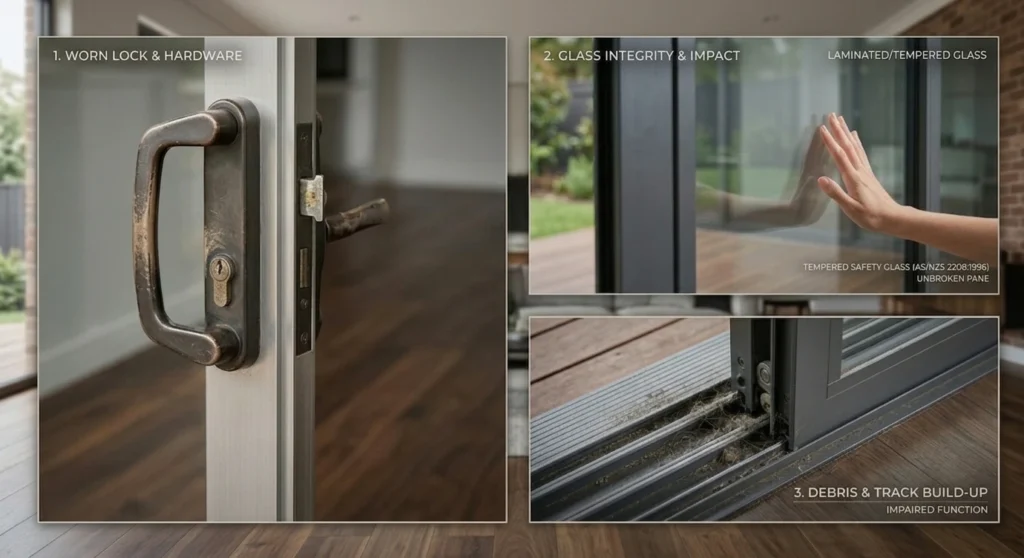
Check out the security risks of a sliding door to get the secure one for your home:
Lock Wear and Aging
Using your sliding door makes the parts- lock cylinder, bolt, and strike point wear off. After a few years of repeated use, lock mechanisms that used to work begin failing. Hence, it is better to repair the sliding glass door before it continues deteriorating in quality.
Fragile Glass
A lot of older sliding doors use standard glass, which doesn’t hold up well, whether that’s an attempted break-in or an accident. Safety glass options like tempered or laminated glass resist this impact, though glass alone isn’t the only answer; it works best paired with a solid frame and reliable sliding door locks.
Loose Door Frame or Track
It’s not just locks and glass that keep a sliding door secure. The frame and track matter too. Years of sliding the door back and forth wear down the track, the rollers, and the hardware connecting it all, and once dust builds up or the rollers wear out, you’ll start noticing it: the door gets harder to slide, it rattles, it won’t quite close all the way, gaps start showing up, and the lock stops catching as it should.
Temperature swings and years of pressure can also nudge the frame slightly out of shape, chipping away at how stable it is, especially with bigger, heavier glass panels that put extra strain on the whole system.
Six Ways to Improve Sliding Door Security
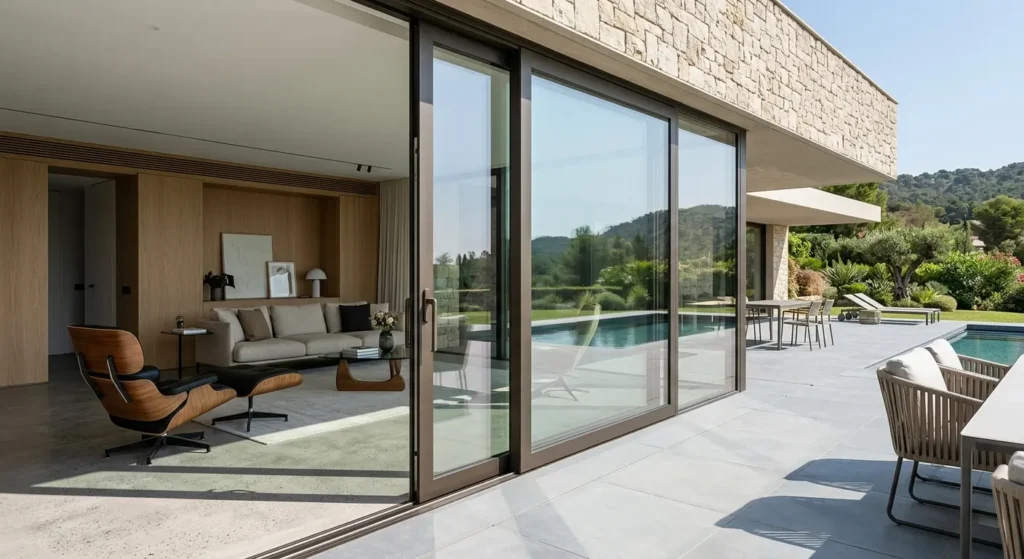
Want the top six ways to improve the security of sliding glass doors? If yes, do read these ways to improve sliding door security to get a clear idea:
1. Upgrade the Lock System
A lock makes the door harder to force open and steadier every time you use it. Consider multi-point locking systems, cylinders and hardware, and sturdier handles. If your door is old, a new lock won’t just solve the problem. It’s worth having the whole door checked out first.
2. Install Security Bars or Door Stops
Sliding doors can only move in one direction along a fixed track, and that’s exactly what security bars and door stops take advantage of. Even if your lock is in great shape, adding a physical barrier gives you protection that isn’t riding entirely on the lock working perfectly.
You’ve got a few options here: adjustable security bars, door stops built for the track, and anti-lift devices that keep the door from being pried up and out of its track altogether.
3. Use Impact-Resistant or Laminated Glass
Here’s the thing about standard glass: it’s often the weakest link in a solid door. One hard hit and it shatters, which brings injury risk and repair bills along with the security problem.
Tempered glass undergoes heat treatment, making it tougher and breaking into small pieces. However, the laminated glass inner layer holds together even when it cracks. Therefore, it’s a better option if you’ve kids or pets.
4. Install Security Window Film
Not ready to replace the whole door? Security window film is a good middle ground. It’s a film applied right onto your existing glass that holds it together on impact and makes it a lot tougher to break through.
It’s an affordable way to buy some protection without a full overhaul. That said, if your door’s already struggling structurally, film isn’t going to fix a worn frame or track. At that point, you’re better off looking at a bigger upgrade.
5. Use Security Sensors or Alarm Systems
A sliding door is a major point where your home meets the outside, so it’s worth backing up its physical protection with monitoring. Window and door sensors, glass break sensors, and smart alarm systems can all flag you the second something seems off, which is especially handy if you’re out of the house a lot and can’t check the door yourself.
6. Perform Regular Maintenance
Security isn’t a one-time installation; it is something that must be maintained. This means clearing parts from the entrance, ensuring that the rollers are functioning smoothly, and checking the parts for wear.
Maintaining sliding door also ensures that the entrance continues to function properly. If it already seems very loose and has structural issues, then maintenance cannot be enough; it must be repaired or replaced.
Benefits of Choosing SUMMIT Sliding Door
If you’ve decided a patch job just won’t cut it and it’s time for a real upgrade, SUMMIT sliding doors are built with security in mind from day one.
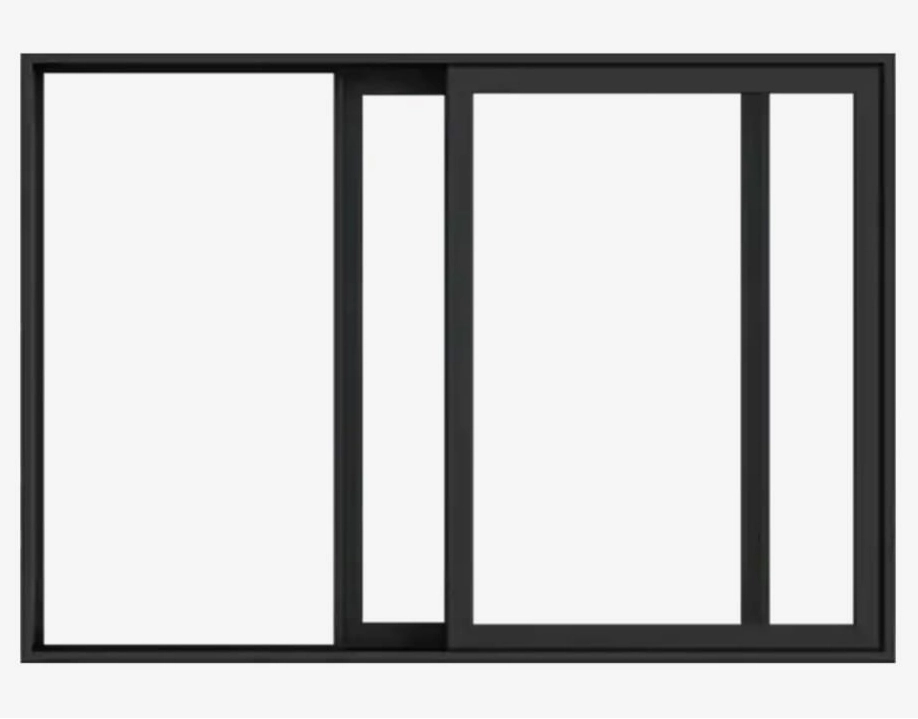
They start with a thermal-break aluminum frame that’s genuinely durable, holding its shape far longer than the lower-grade materials you’ll find on cheaper doors. That’s paired with high-quality multi-point locking systems, and if you want an extra layer of control, there’s even a password lock option.
The tracks aren’t an afterthought either. They’re designed with multiple drainage holes so water doesn’t sit and wear things down over time, and the rollers keep the door gliding smoothly instead of dragging or straining the way older systems tend to.
On the glass side, you’ve got a range of high-strength options to choose from, so you’re not forced to sacrifice natural light just to feel secure.
And since every home is different, SUMMIT also offers customized sliding door design services to make sure the door you end up with actually fits your space and what you actually need, not just a generic fit.
Need a more secure sliding door? Request a free quote from SUMMIT today and discover customised sliding door solutions with durable aluminium frames, advanced locking systems, and premium glass options designed to protect your home.
Conclusion
Sliding door security comes down to one idea: no single feature carries the whole job. The lock, glass, frame, track, and hardware all have to hold up their end; neglect one, and it creates a gap the others can’t cover.
Whether you start small with door stops or window film, or go for a full replacement, the goal is closing those gaps rather than hoping the original setup still holds. If your current door is showing wear across several areas, investing in a door built for security from the start like SUMMIT may be the more cost-effective move in the long run.
FAQs
It comes down to what kind of glass you have. Standard single-pane glass just doesn't hold up to impact the way tempered or laminated glass does, and if your home is a bit older, there's a good chance that's what you're working with. Check the manufacturer specs if you have them, or have a pro. When in doubt, it's worth upgrading.
Not necessarily. A new lock helps, but it can only do so much if the frame or track underneath is worn out or slightly shifted; that's still a gap in your security even with a great lock. Rather than assuming a lock swap fixes everything, it's smarter to have the whole door checked out first.
They do work; they create a physical barrier that holds up on its own, separate from whatever your lock is doing.
It's a strong, affordable improvement, but it doesn't fix structural issues with the frame or track. If your door has deeper wear problems, film is a good short-term step, not a long-term replacement for those repairs.
No. While smart sensors and alarms are good at detecting problems instantly, they cannot physically prevent unauthorized entry. Strong locks, tough glass, and durable hardware actually protect the house; smart sensors improve the protection.
You can perform a thorough cleaning of the track and hardware several times per year, but don’t wait for the next scheduled maintenance if you notice some issues. If the door starts sticking, producing noise, or a new gap develops, fix the problem immediately.