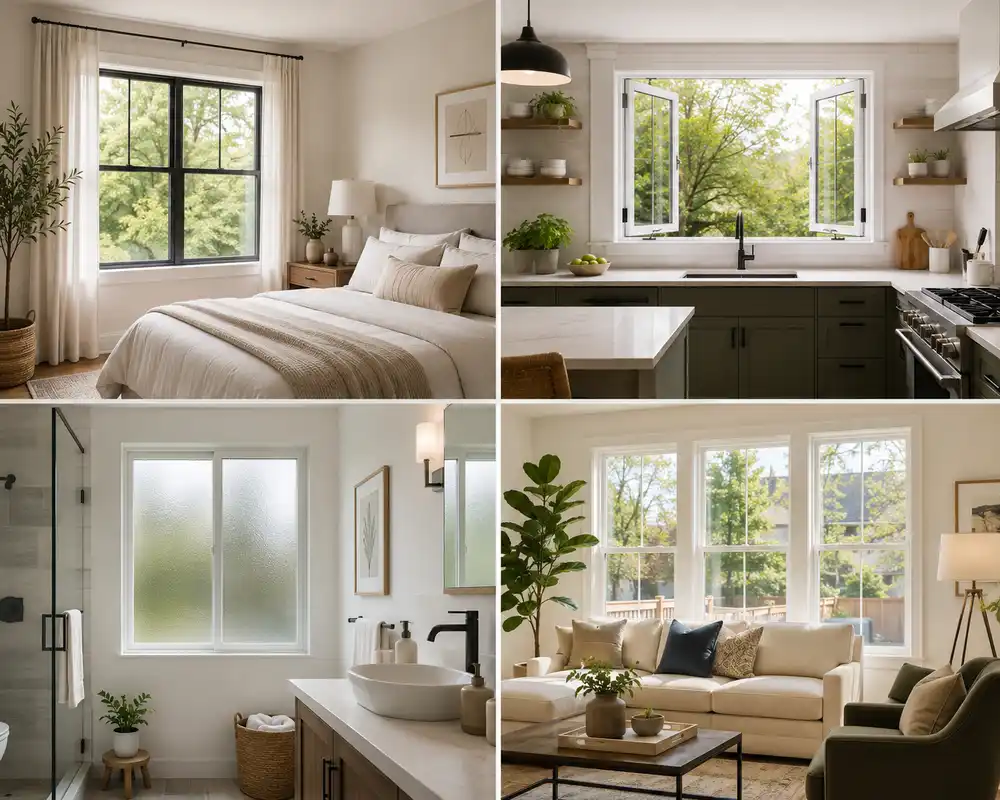
Even a beautiful window can feel wrong when it makes a bedroom noisy, a kitchen stuffy, or a bathroom feel exposed.
This is the reason that the choice of windows for different rooms must be initiated with daily usage and not beauty.
Imagine a typical morning. You might desire gentle daylight in the bedroom, swift airflow when making breakfast and privacy when someone enters the bathroom.
Such cases need other solutions.
Even though Home Window Styles may determine the look of a house, the practicality of the window styles, like airflow, privacy, climate, maintenance, and space, usually has a greater impact once the window styles are installed.
This guide will help you choose the right windows for every room based on how the space is actually used.
What Windows Are Best for Different Rooms?
To select the Correct Windows in Each Room, find out what frustrates you in each room, then select the design of the window that suits the requirement.
Living Room
Requirements
Natural Light
The living room is usually the most frequented common place in the house. Large windows can lighten up conversations, reading nooks and family meetings without having the lights on throughout the afternoon.
Airflow
When a number of individuals are in the same room, the room may easily become hot or humid. An operable window makes it easier to refresh the room when weather conditions allow.
Open Views
A garden, patio, street, or distant landscape can become part of the interior experience. Bigger windows are used to maintain such a view without breaking it down into too many tiny parts.
Suitable Window Types
Good Living Room Windows must be balanced in terms of light, views, ventilation and location of the surrounding furniture.
Sliding Windows
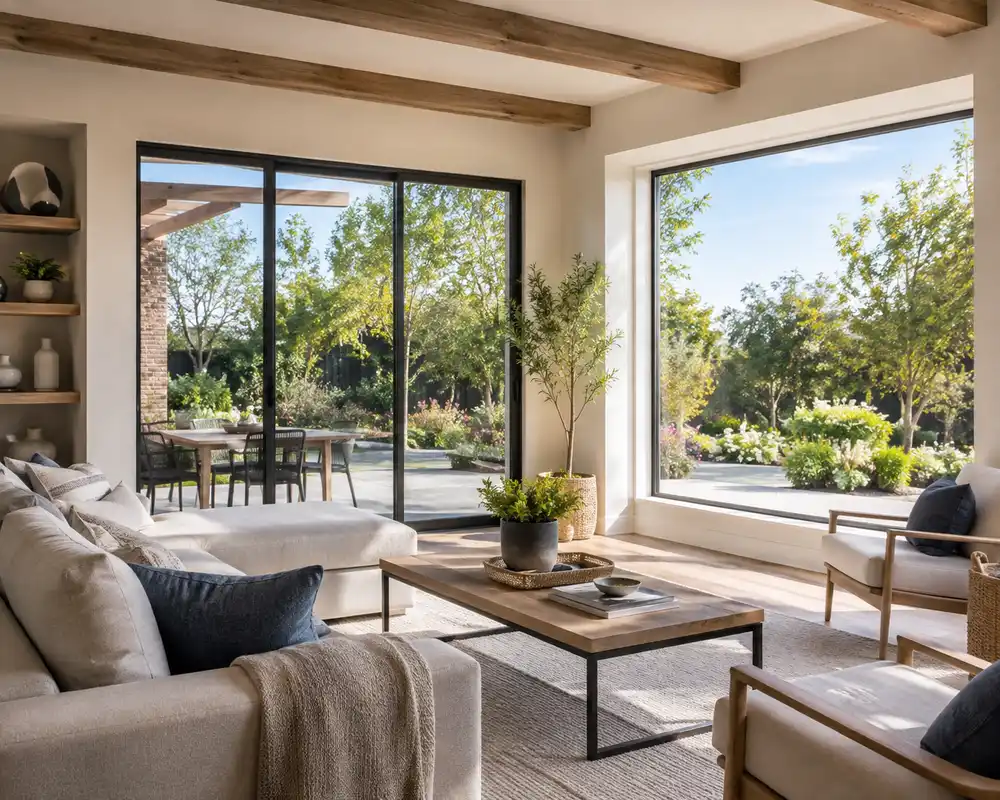
A Sliding Window is a good choice in case a sofa or a walkway is located next to the opening. Since the sash does not move out of the room or the walkway to the outside of the house, there is nothing that sticks out.
Fixed Windows
A Fixed Window comes in handy when the primary objective is to have an unbroken view of the outside and plenty of daylight.
Fixed glazing is, however, not a source of fresh air. Combine it with a functional unit when it comes to ventilation.
Floor-to-Ceiling Windows
The panes are large vertical ones that enable sunlight to penetrate into large living spaces and establish closer contact with the outside landscapes.
In combination with fixed glass, an operable window can provide a sensible compromise in the daylight and the flow of air in many homes.
Kitchen and Dining Room
Requirements
Airflow
Frying, boiling, and baking rapidly contribute to the heat, odour, and steam. Good Window Ventilation can also render the process of cooking much more comfortable.
Moisture Elimination
The water in pots, kettles and dishwashing may collect on cabinets and glass. Regular ventilation helps these surfaces dry more quickly.
Ease of Operation
A window above a deep sink can be difficult to reach. Countertops, faucets or appliances placed in close proximity should have their handles and the method of opening them be functional.
Easy Cleaning
The residue of cooking is likely to spread to adjacent surfaces. Easy-to-clean glass and smooth frames will allow for easy routine cleaning.
Natural Light for Dining
Natural light will make breakfast or lunch more friendly and minimise the use of artificial light when taking meals in the daytime.
Suitable Window Types
The optimal Kitchen Windows ought to be convenient to use regardless of the presence of sinks, counters and other appliances that restrict access.
Awning Windows
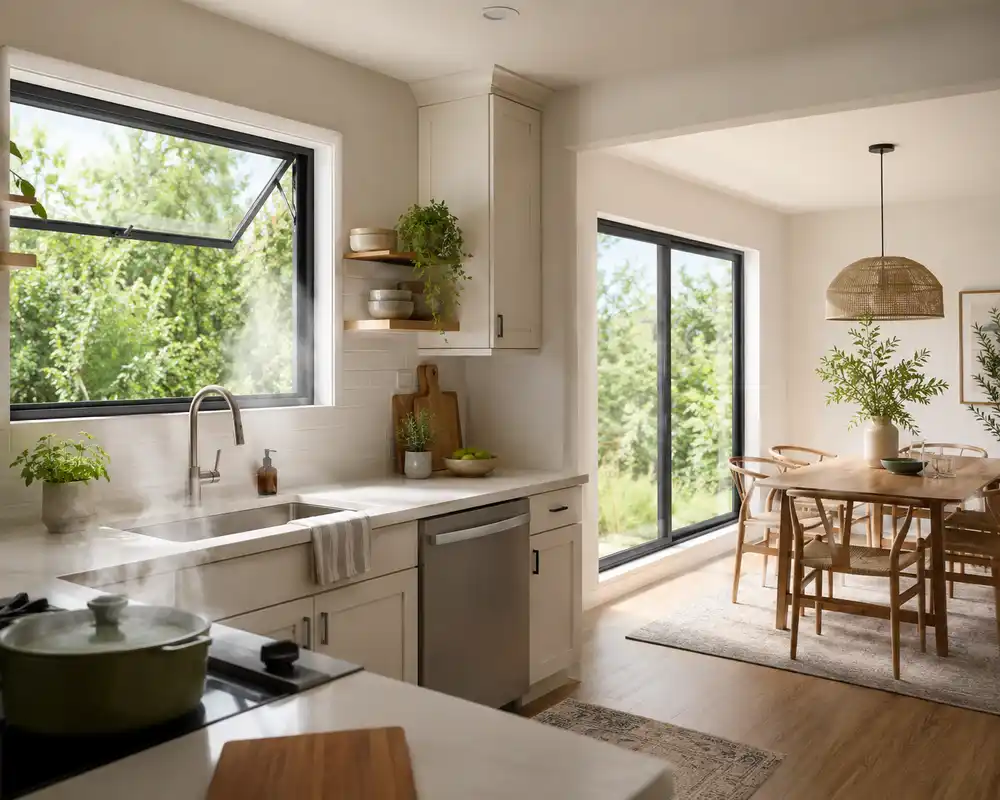
An Awning Window opens outward from the bottom, making it useful above a countertop or sink.
It maintains the interior workspace relatively free and at the same time allows fresh air to flow in.
Sliding Windows
An Aluminium Sliding Window may be very convenient, especially along a counter, breakfast area or a walkway since the panels do not stick out into the open.
Casement Windows
An Aluminum Casement Window can open wide and capture passing breezes, making it useful in kitchens that become hot during cooking.
Bedroom
Requirements
Noise Control
A bedroom over a road with high traffic should have different glazing and sealing as that which is over a private garden.
Poor-performing windows can allow traffic noise, conversations, and early-morning activity to disturb sleep.
Temperature Comfort
An overheated room just before bedtime or a cold room next to the glass in wintertime can make one feel uncomfortable.
Air-tight, energy efficient windows could assist in decreasing the unwanted heat exchange and contribute to a more consistent indoor climate.
Privacy
Bedrooms should receive natural light without leaving occupants exposed after dark.
Privacy can be achieved through the use of curtains, blinds and darkened areas as well as through proper location.
Regulated Light
In the morning, the sunshine might seem nice, but it might get on your pillow before you can sleep. The shading, window orientation and the area of the glass should be thought of as a combination.
Fresh Air
On mild evenings, opening the window can improve comfort and reduce reliance on mechanical cooling.
Suitable Window Types
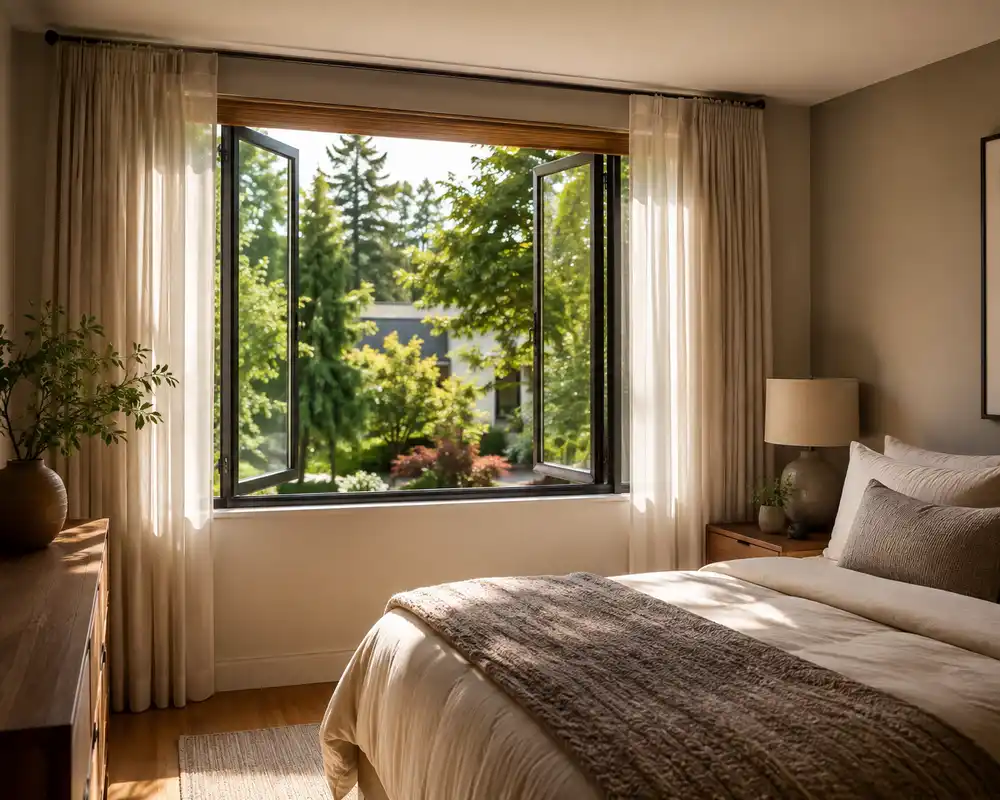
Whichever issue plagues sleep, it ought to be reflected in effective Bedroom Windows.
Casement Windows
Casement Windows may open fully to get fresh air and seal when outdoor noise or changing temperatures are more relevant.
A Vinyl Casement Window can be the right choice for the homeowner who is interested in the convenient combination of insulation, easy maintenance and ventilation.
Alternatives made of aluminium may also be utilised where slim frames, strength or a modern look is of importance.
Sliding Windows
Sliding designs are used in bedrooms, when there is a bed, desk, balcony or narrow side passage leaving little space to have an outward-opening sash.
Awning Windows
Higher-positioned awning windows can provide fresh air while improving privacy.
In case your bedroom is located on a hectic street, then it is best to use sealing and proper glazing. In a less industrialised place, natural ventilation can be the more significant factor.
Bathroom
Requirements
Privacy
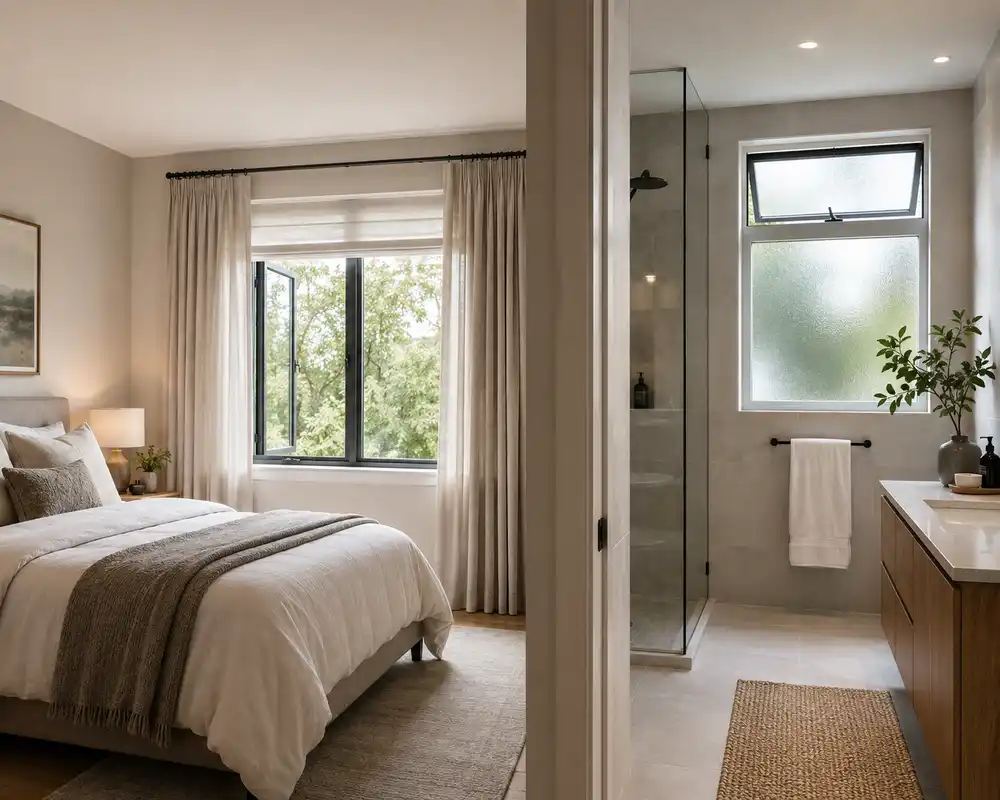
The use of clear glass next to a shower can be a source of daylight, but can create a blatant privacy issue. Glazing that is textured, frosted or obscured provides a viable trade-off.
Humidity Control
Once a hot shower is taken, the mirrors are fogged, and the moisture is deposited on surfaces around them. A functioning aperture can aid the room to clear faster.
Resistance to Moisture
Frames, seals, and finishes are constantly exposed to humid conditions, and the resistance of materials should be given particular focus.
Safe Location
When wet surfaces are around, a unit located next to a shower or bath must be convenient to use.
Suitable Window Types
Privacy and humidity must be considered by well-thought-out Bathroom Windows prior to decorative factors being considered.
Aluminum Awning Windows
An aluminium awning design with obscured glass can provide both screening and beneficial airflow.
Fixed Windows
A fixed window with frosted or obscured glass can work where mechanical ventilation already controls moisture.
Sliding Windows
Frosted or obscured glass sliding windows provide a good compromise between privacy and ventilation. They are also simple to use, do not swing in and out, and are suitable for bathrooms with limited space.
Privacy and moisture resistance are the most important factors to consider when selecting a bathroom window. Then think about the amount of ventilation and natural light the room requires.
Basement
Requirements
Available Daylight
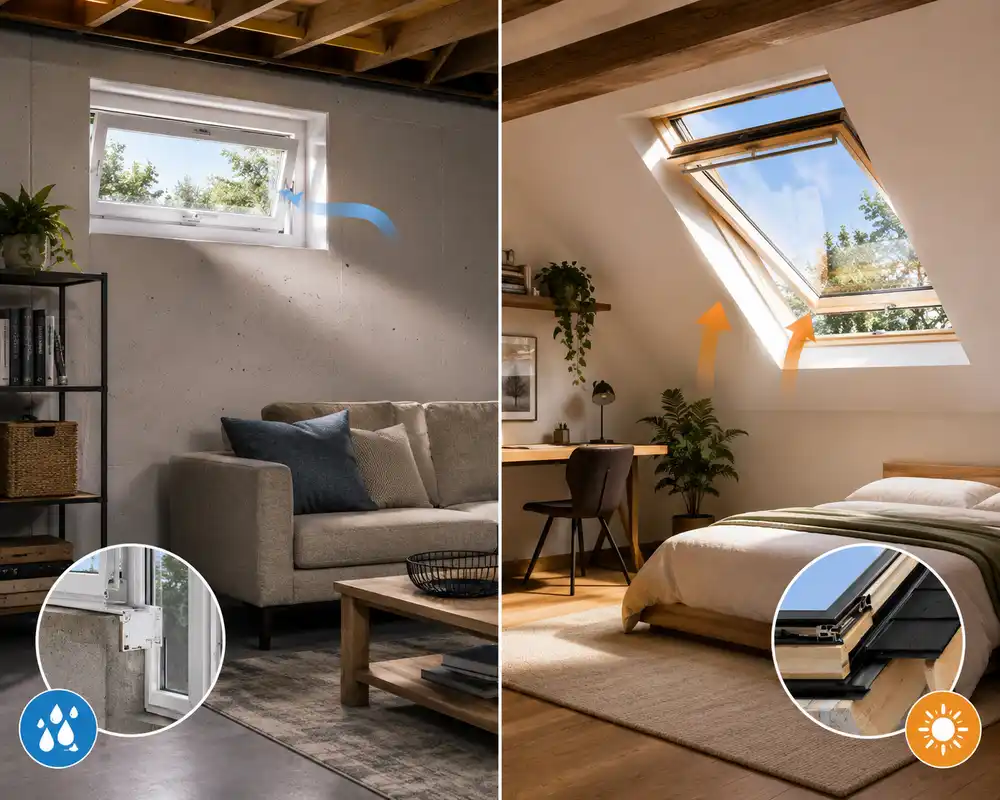
There are a lot of basements which are not bright even during the daytime. An opening placed well can open stairs, utility areas or finished rooms to make them seem less enclosed.
Air Circulation
Sticky odours and musty odours tend to be felt when a room that is not located above the ground is not opened frequently.
Protection Against Moisture
Rain, wet soil and condensation may exert more stress on openings in the basement than most windows at elevations above the ground.
Safety
With the conversion of the basement into a bedroom or a regular dwelling, the size of the windows might also be required to conform to the relevant local egress requirements.
Suitable Window Types
The right Basement Windows ought to utilise the limited clearance on the wall and exterior effectively.
Awning Windows
Awning units are able to inject air without taking up space that could be utilised in the interior.
Sliding Windows
Sliding designs are also effective in situations where there is limited exterior clearance, as the panels are not outside of the frame.
Casement Windows
A casement design may also allow more robust ventilation and a greater clear opening in a place where the opening allows it.
For basements, frame style is only one part of the decision. Drainage, sealing, moisture resistance, and installation quality matter just as much.
Attic
Requirements
Daylight
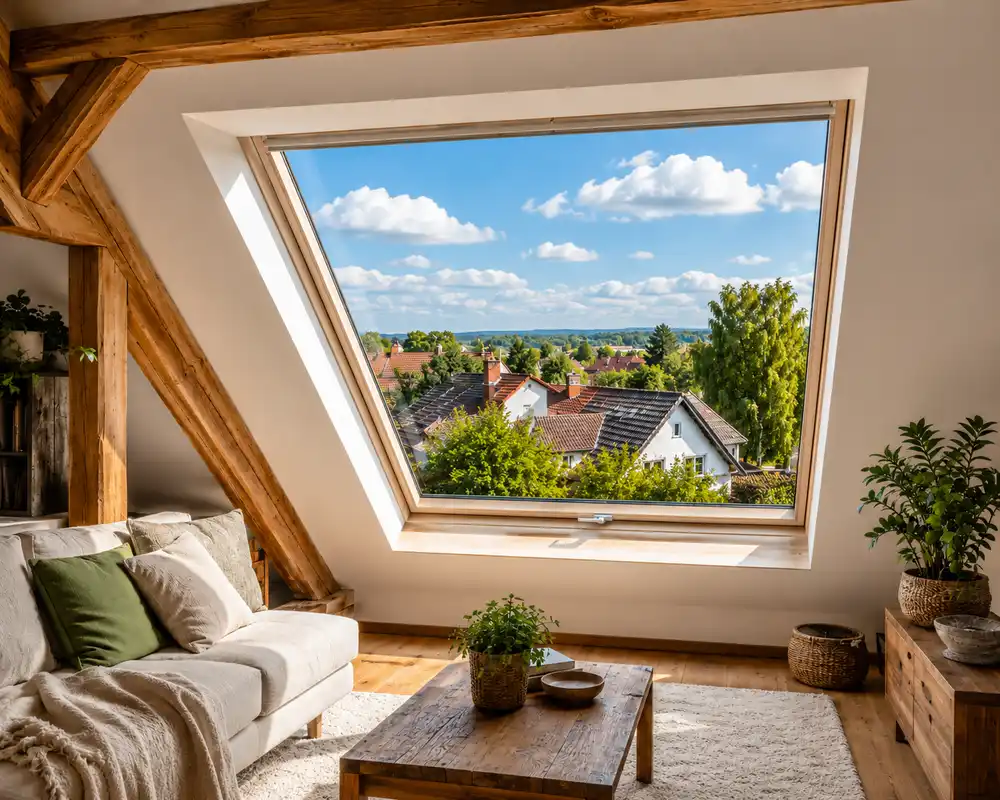
Attics may be unexpectedly dark due to sloping roofs and a lack of exterior walls.
Glazing on the roofs can draw sunlight into the rooms, which cannot be accessed using a regular opening on the walls.
Heat Release
The natural gathering of warm air is around the roof, thus making attic rooms unbearable on summer afternoons.
Suitable Window Types
Attic Windows depend largely on the roof shape and the amount of available wall space.
Skylights
A skylight brings daylight through the roof and works well where vertical wall space is limited.
Roof Windows
The operable roof windows are a combination of daylight and ventilation and are thus suitable in converted bedrooms, attics or workspaces.
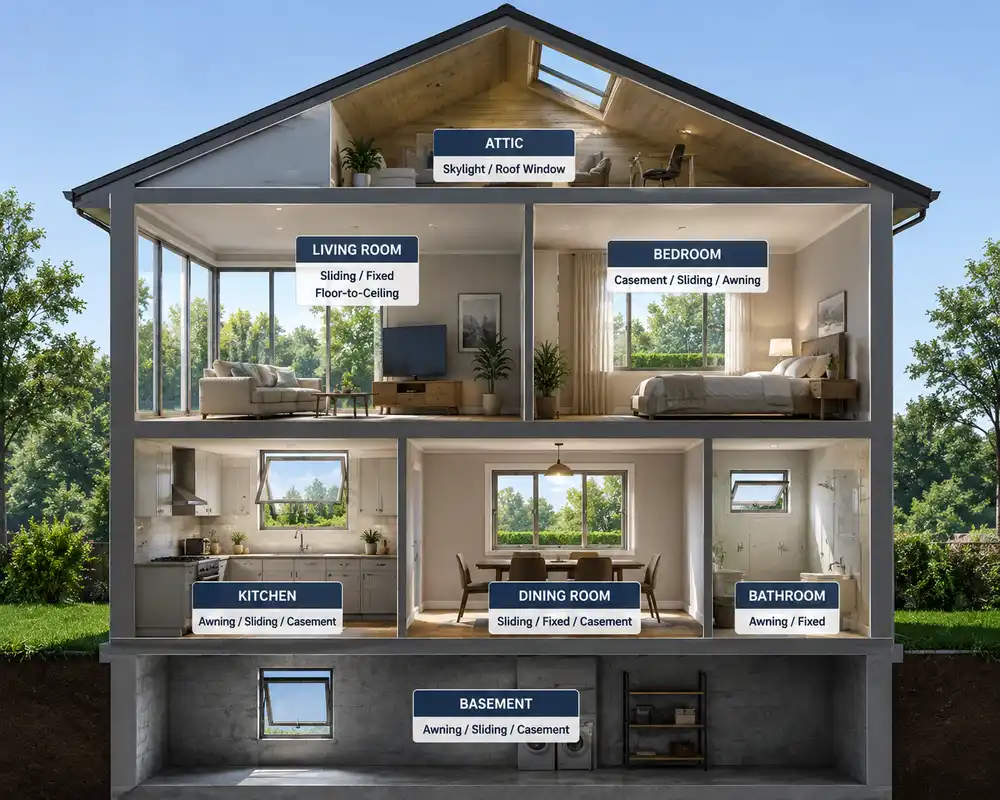
Comparison Table
Upon examining each of the spaces individually, it is simpler to identify the differences.
The table below offers a speedy beginning point in contrasting the Best Windows for Each Room prior to considering the frame materials, sizes, and glass options.
| Room | Main Priorities | Recommended Window Types | Best Fit for Daily Use |
|---|---|---|---|
| Living Room | Daylight, views, airflow | Sliding, fixed, floor-to-ceiling | Bright shared spaces and wider outdoor views |
| Kitchen | Airflow, easy operation, cleaning | Awning, sliding, casement | Heat, steam, counters, sinks, and cooking activity |
| Dining Room | Light, views, gentle airflow | Sliding, fixed, casement | Comfortable daytime meals and visual openness |
| Bedroom | Quiet, privacy, temperature control | Casement, sliding, awning | Sleep comfort and controlled fresh air |
| Bathroom | Privacy, humidity control | Awning, fixed | Steam removal and obscured glazing |
| Basement | Light, moisture resistance, circulation | Awning, sliding, casement | Compact openings and below-ground conditions |
| Attic | Daylight, heat release | Skylight, roof window | Sloped roofs and limited wall space |
There is no best design of the window which fits everywhere.
Begin with the nuisance you desire to address, be it narrow clearance, undesired noises, steam, lack of daylight, or heat enclosure.
This will assist in giving homeowners the option to choose the right windows for every room and not just to pick them because they appear nice in a catalogue.
Professional Advice by SUMMIT Team
Homeowners may also have to make challenging decisions even after a comparison between various Residential Windows.
Such factors as climate, glass design, room direction, size of the opening, expectations of maintenance, and exterior design may all vary and alter the solution that makes the most sense.
SUMMIT can help homeowners assess these factors before choosing a specific window configuration.
Instead of prescribing a certain style that should be applied in this or that situation, the discussion can take into account where fresh air should be of paramount importance, how much daylight a room gets, and whether privacy or insulation should be given higher priority.
Homeowners are also able to contrast aluminium and vinyl setups based on the way the rooms are used, locality conditions and long-term maintenance prospects.
The options of glass, the material of the frames, finishes, and the methods of opening can then be thought of as a whole choice and not as an individual choice.
In case there are still a number of options which probably seem appropriate, contact SUMMIT to discuss the rooms you would like to upgrade and request a quote based on your actual needs.

Final Thoughts
The right window is not usually that which just happens to be the best in the showroom.
Begin by identifying what needs improvement in each room.
It can be as simple as getting steam out of a bathroom, cutting down on noise in a bedroom, bringing light to a basement or enhancing the airflow around a kitchen counter.
Then, make a comparison of opening style, glazing, frame material, orientation, maintenance requirements and local weather conditions.
When you choose the right windows for every room, the decision becomes less about trends and more about solving everyday problems in your home.
In case of doubts, SUMMIT can assist in making a comparison of the befitting settings and give you a room-specific quote before you invest in the final decision.
FAQs
No. It can be important, but every room might need various working or glazing. Compare the use of each space prior to completing the full-house design.
It may be when there is production of drafts, noise, condensation, hard work, or uncomfortable internal temperatures by the existing units. Begin with those rooms where these issues manifest themselves most in everyday life.
See excessive heat, cold spots around the window, glare, condensation or distracting outside noise. In case of such issues with comfort, make comparisons between glazing that performs better.
Neither material is suitable by default for all projects. Take into account climate, maintenance, look and appearance, budget, frame size and performance needs before making a decision.
Yes. A working design with the use of frosted or textured glass can add air to the room whilst reducing direct visibility into the room.