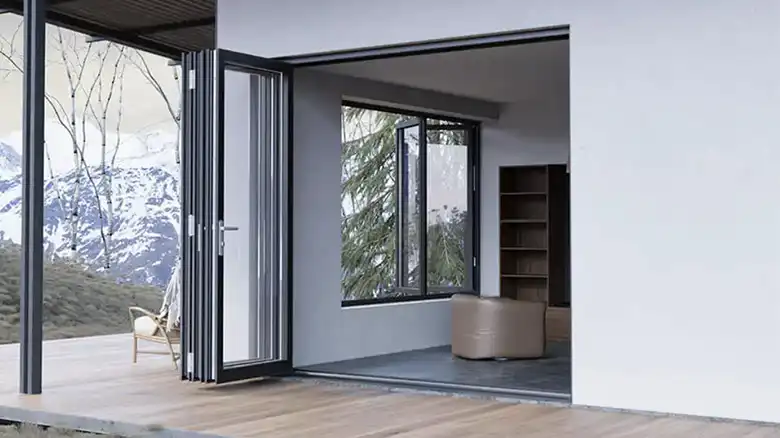
Folding windows and doors are becoming more popular with homeowners, architects and contractors. They are an attractive option as they easily connect indoor and outdoor areas and introduce natural light into homes.
But the quality of these products can vary widely depending on the supplier. The manufacturing, after-sales service and the ability to deliver projects are all important aspects. A bad choice of supplier can lead to serious problems such as air or water leaks, hardware failures, late deliveries, and unexpected maintenance costs.
In this article, we will walk you through how to select and evaluate a reliable folding window and door supplier for long term cooperation. Knowing how to evaluate potential suppliers helps you avoid common procurement risks and find the right partner for your project.
How to Choose the Right Folding Window and Door Supplier
Identify Your Requirements First
Find The Right Fit For The Room/Patio

Many people contact window and door manufacturers before they have determined what purchase they want to make. As a result, they end up in an ongoing loop of revised quotes. Therefore, you will want to first determine the location of your new windows and doors so you can clarify the primary function they will perform.
A patio or courtyard door needs weather resistance and a wide, clear opening. A kitchen pass-through cares more about smooth one-handed operation than span.
Balconies and coastal homes? Those need serious wind resistance and corrosion protection as salt air is brutal on weak materials. Commercial spaces usually pile stricter safety ratings on top of all that. No single folding system does everything well, so lock in the use case before anything else.
Set a Budget That's Actually Realistic
Price moves with material grade, glass type, panel size, hardware brand, and how much customization you want. Chasing a low quote seems like a good idea until the lower-end system starts failing on you.
Quality folding doors and windows may seem more expensive at first, but they will last longer, provide better insulation, and require little maintenance. When comparing suppliers, think of the purchase as an investment over time, which will make selecting a supplier clearer.
Judging the Product Itself
Profiles
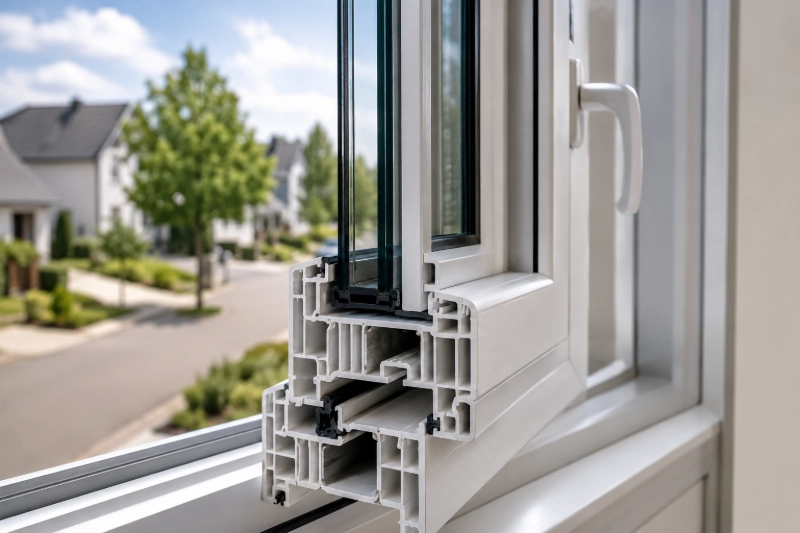
The profile is the skeleton of the whole system, it decides strength, stability, and how long everything holds up. Ask whether it resists deformation and can carry a wide opening without sagging over time.
Thicker, reinforced profiles generally survive daily abuse better. If you’re in a coastal or humid area, push specifically on corrosion resistance and UV stability. Looks matter, but the specs behind the frame matter more.
Glass
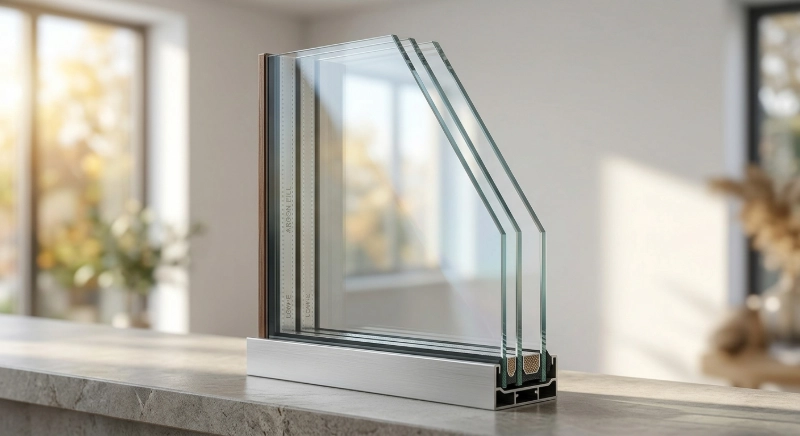
Glass is usually more than 70% of a folding door’s surface, which makes it the single biggest factor in comfort and energy bills. Double glazing, insulated units, and low-E coatings, each suits a different climate.
Different glass types work best in different climates. Double-glazed glass is a great all-around choice for most homes, insulated glass units (IGUs) help keep homes warmer in colder areas like Chicago, and Low-E glass helps block heat in sunny climates such as California.
Rather than choosing a supplier that offers the same glass for every project, look for one that recommends the right glazing based on your local climate and your home’s needs.
SUMMIT’s bi-fold windows are built around exactly this kind of climate-specific glazing, so if you’re looking for good quality, you shouldn’t miss out on their craftsmanship.
Hardware
Your hands touch your hardware every day, and the quality of your hardware makes or breaks your experience. Your folding door hardware relies on rollers, hinges and locks to support all of the folding and sliding that happens as the door opens and closes.
Are the rollers rated for the weight of your panels? Are the hinges built for high-frequency use, not the occasional open? Does the lock offer multi-point security?
Weak hardware is the number-one reason a folding door turns stiff and cranky after a couple of years. You can see how a full system comes together on our guide to bi-fold doors.
Certifications and Test Reports
Marketing photos prove nothing. Documentation does. Recognized certifications tell you a product has actually passed independent performance and safety testing.
Look for marks from Energy Star, NFRC, and CSA; they cover thermal performance, energy efficiency, and structural safety. If a supplier can’t hand over this paperwork, don’t wave it off. That’s a red flag.
Customization and Personalized Solutions

A supplier’s ability to customize products is vital to make sure the final installation meets your exact requirements. Often this is the deciding factor if the product will blend seamlessly into your home.
The best vendors will be able to customize solutions for your specific opening sizes and configurations, rather than forcing you to pick from generic, stock options.
Typical challenges include:
- Odd door opening sizes in your home
- Unable to install standard products
- Unsure how many folding panels you need for your space
- Concerns about too much space taken up by opening.
Delivery Timeframe and Logistics Support
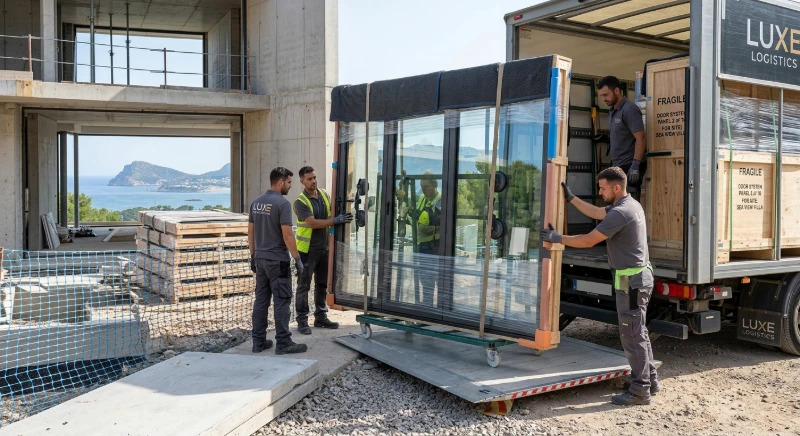
Once the product quality is established, often the conversation is no longer about price, but rather about important delivery-related issues. Will your order make it in time? Is there any chance of damage during transit? These setbacks can set the whole project schedule off and can lead to irritation and extra expenses.
When choosing a folding window and door supplier, don’t just look at the product. Assess their production capabilities, lead times, and logistics support. Instead of vague promises you will get firm delivery times from a reliable supplier, which allows you to plan properly.
Consider the following possible anomalies:
- unexpected labor costs due to delivery delays
- Constant updates about delayed shipments
- Can’t get an accurate installation date scheduled.
Selecting a reputable supplier can help alleviate these issues and make the installation process go more smoothly.
After-Sales Service Level
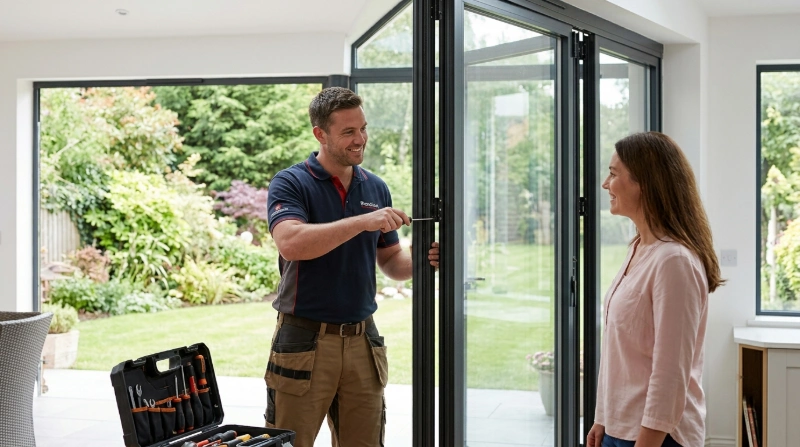
The after sales service is very important to keep your investment safe long after the original purchase.
First, check the warranty information from your supplier. Check the coverage period and the specific protections offered, especially for profiles, glass and hardware. A good warranty can protect you from unexpected costs in the future.
But don’t just consider the length of the warranty. It is equally important to make clear what issues are not included.
Does this include manufacturing defects, material flaws, hardware failures, seal failures? Knowing these details can prevent you from unpleasant surprises and make sure the promises of the supplier are in line with the service you receive.
Why Choose SUMMIT as Your Folding Window and Door Supplier?
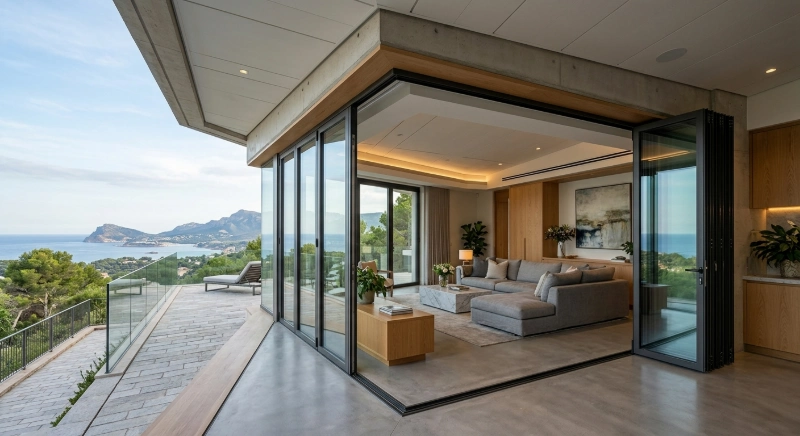
Once you’ve weighed quality, certifications, customization, delivery, and support, you’re really hunting for one supplier that covers all of it.
SUMMIT, based in California, is a folding window and door supplier built for durability across a wide range of climates. They design folding windows and folding doors around your vision and stick with you from the first consultation through delivery and beyond.
Read more about the company, and when you’re ready, contact SUMMIT for a quote to see how their systems fit your space.
FAQs
Reputable suppliers, SUMMIT included, offer custom sizing rather than fixed dimensions. Share your exact measurements during the quote stage, and they'll build them.
They can be, with the right glass. Low-E coatings and insulated units cut heat transfer significantly in most climates, giving you energy-efficient windows year-round.
With solid profiles and hardware, a well-maintained system easily runs for several decades.
Not much. Clean the tracks now and then and lubricate the folding door hardware occasionally, that's usually enough for smooth operation.
Performance-based. A low-price product typically indicates that the profile, the glass, or the hardware is not up to industry standards; therefore, you will have more expenses associated with correcting these problems later on.
Look for manufacturing defects, hardware failure, and seal integrity, not just a headline time period. You can contact SUMMIT's team for specifics.
Conclusion
At the end of the day, it’s always a good idea to understand your use case and budget before shopping; evaluate each supplier using five different criteria (profile strength, climate-controlled glass usage, hardware designed for continuous use, independent verification of product performance, and actual after-sales assistance) before making your final decision.
Take this checklist with you, ask the uncomfortable questions, and demand the paperwork. Any supplier worth your money will welcome the scrutiny.
Ready to see how a properly engineered system fits your space? Reach out to SUMMIT for a free consultation and a quote built around your exact openings, not stock sizes.